Baboons in Cape Town: Are they getting fair treatment?
Baboons in Cape Town face relocation and confinement plans as residents, conservationists and activists debate fair treatment.





Baboons in Cape Town are facing an increasingly complicated future alongside expanding suburbs.
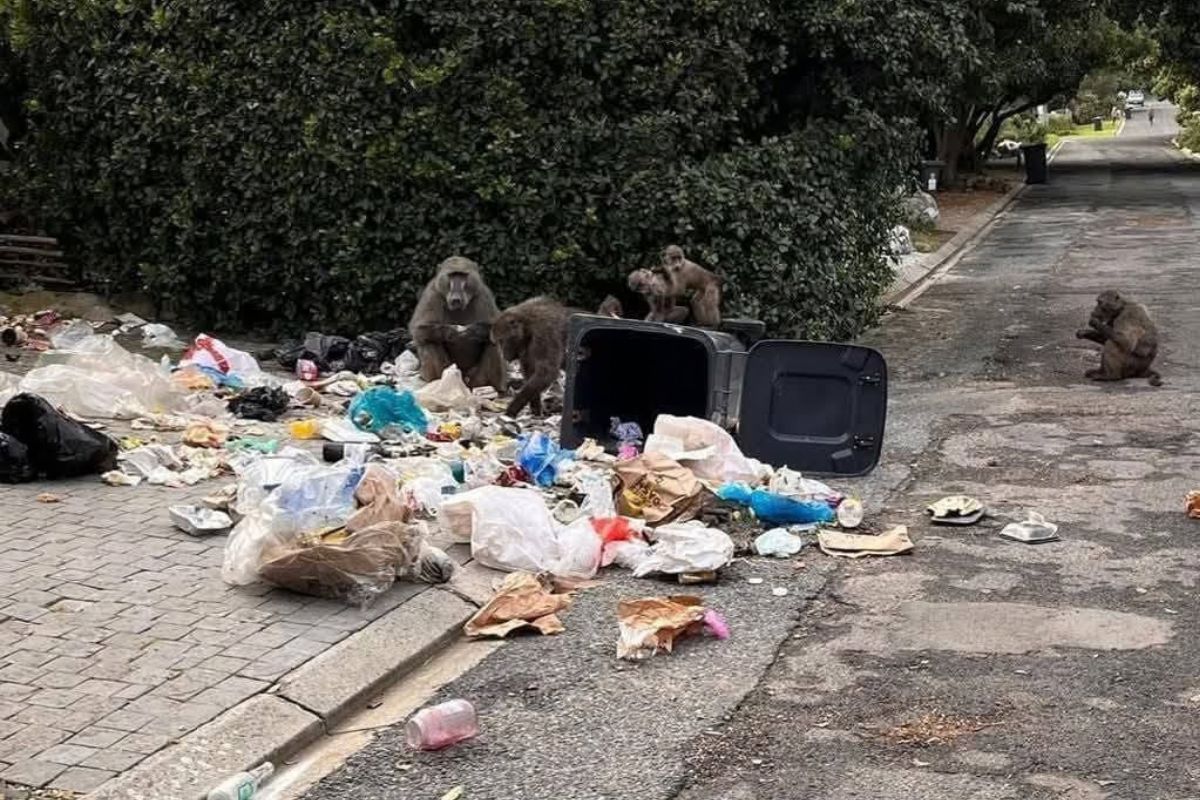
Their natural habitat has shrunk as urban development spreads across the Cape Peninsula. At the same time, baboons have learned that homes and rubbish bins can provide easy meals.
That creates risks for residents, pets, property and the animals themselves. It also raises a difficult question about how humans should manage wildlife living beside cities.
WHY ARE BABOONS IN CAPE TOWN CAUSING PROBLEMS?
Baboons in Cape Town regularly enter suburbs while searching for food and water.
Some raid kitchens, damage property and steal food from residents or visitors. They can also become aggressive when people approach them or offer food.
Human behaviour makes the problem worse in several ways. Accessible rubbish, fruit trees and deliberate feeding can encourage baboons to enter urban areas.
Tour operators have also faced criticism for approaching troops for closer photographs. The City warned operators about feeding or driving into baboon troops in June 2026.
WHAT IS BEING DONE ABOUT BABOONS IN CAPE TOWN?
The City, SANParks and CapeNature now follow a joint Action Plan: The Western Cape High Court allowed authorities to continue implementing that plan in February 2026. The plan combines several approaches instead of relying on one intervention.
These include strategic fencing, better waste management and stronger by-law enforcement.
Authorities also plan to relocate two troops to a purpose-built sanctuary.
The Seaforth and Waterfall troops will move there after the facility becomes operational.
The City has also started distributing baboon-proof bins to affected communities and plans to distribute 6 000 lockable bins, with 2 200 forming the first batch.
DO RESIDENTS AND ACTIVISTS AGREE?
Not everyone considers the current approach fair to the baboons in Cape Town.
Some residents support stronger intervention because repeated raids create serious daily problems. Others favour coexistence measures that keep food away from baboons without confining them.
Animal-welfare groups have raised particular concerns about relocation and permanent confinement. Critics argue that captivity could undermine natural behaviour and troop dynamics.
They also question whether urban expansion should drive wildlife further from its habitat.
The debate became sharper after authorities proposed permanently housing about 60 baboons. Reuters reported strong opposition from residents, conservationists and animal-welfare groups in September 2026.
The Guardian also reported divided opinions among residents, scientists and animal-rights campaigners.
The authorities argue that the plan aims to protect both people and baboons. Critics instead question whether confinement offers a genuinely humane long-term solution.
For baboons in Cape Town, the disagreement reflects a much bigger conservation dilemma. People need safe neighbourhoods, while wildlife needs functioning habitat and natural behaviour.
The success of the new plan will depend on how those competing needs develop.