Icy weather forecast: Which pets are at risk or need extra care?
Icy weather can be dangerous for vulnerable pets. Find out which dogs, cats and small animals need extra care during the current cold spell.





Icy weather does not only send people searching for thicker blankets and heaters. For some household pets, a sudden plunge in temperature can become a genuine health risk.
Small dogs, short-haired cats, rabbits and guinea pigs are among those that need extra protection when winter temperatures fall sharply.
South African winters can produce surprisingly cold nights, particularly inland. For pets accustomed to sleeping indoors or living in sheltered conditions, a sudden cold spell can be particularly challenging.
Age, size, breed, health and body condition all influence how well an animal copes.
WHICH DOGS ARE MOST VULNERABLE IN ICY WEATHER?
Not every dog needs a winter wardrobe. Some breeds, however, lose body heat much faster than others.
Chihuahuas, Miniature Pinschers and Yorkshire Terriers have little body mass to retain heat. Greyhounds and Whippets also have thin coats and little body fat. Dachshunds and Corgis have another disadvantage. Their low bodies bring them closer to cold ground.
Pugs and French Bulldogs can also struggle in extreme temperatures. Their shortened airways can affect their ability to regulate body temperature efficiently.
Puppies, elderly dogs and animals with existing health problems need particular attention.
Keep vulnerable dogs indoors as much as possible during this severe cold spell. Walk them during warmer parts of the day and keep outings brief when temperatures are particularly low.
A properly fitted coat can help short-coated dogs, while paws should be dried after wet walks.
HOW SHOULD CATS BE PROTECTED IN ICY WEATHER?
Cats are remarkably resourceful when temperatures drop. That does not mean they are safe outdoors.
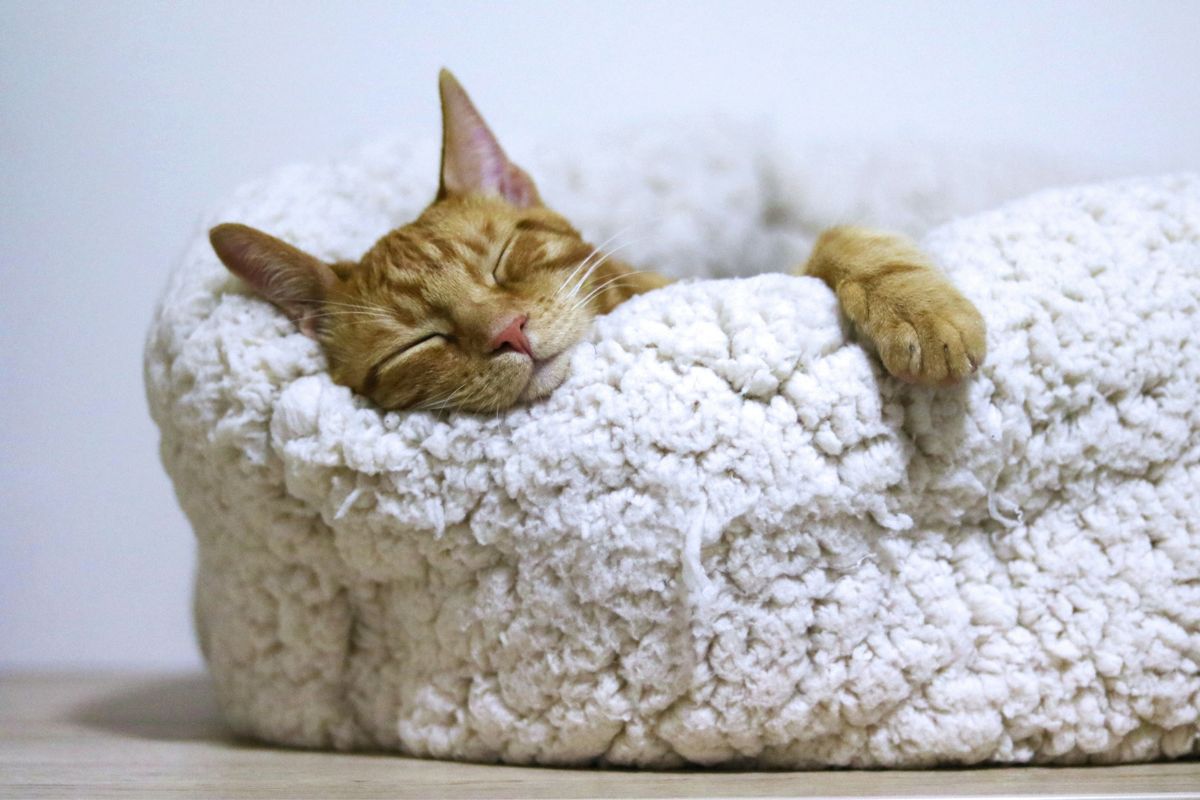
Short-haired and hairless cats have less natural insulation. Indoor cats can also be particularly sensitive to cold because they are accustomed to a controlled environment. Give them a warm sleeping area away from draughts, cold floors and frequently opened doors.
Outdoor cats need access to a dry shelter protected from wind and rain.
There is another danger South African motorists should remember: Cats seeking warmth sometimes crawl beneath car bonnets or onto warm engines.
Tapping the bonnet before starting a vehicle can prevent a potentially fatal accident.
WHAT ABOUT RABBITS AND GUINEA PIGS?
Rabbits and guinea pigs kept outdoors need more than a covered hutch when temperatures plunge. Their accommodation should remain dry, protected from wind and raised away from cold, damp ground.
Provide plenty of dry straw or appropriate bedding, while ensuring adequate ventilation. Damp bedding loses its insulating value and can contribute to respiratory problems.
Check water frequently because animals still need to drink in cold weather. Rabbits also need continuous access to hay.
During prolonged cold, some outdoor animals may need additional food to meet increased energy demands.
WHEN DOES COLD BECOME AN EMERGENCY?
Shivering, weakness, lethargy, confusion, difficulty breathing, or collapse can indicate dangerous cold exposure. An animal showing these signs needs prompt veterinary attention.
Older pets may also experience increased joint stiffness during cold weather. Warm, dry bedding and protection from draughts can make a significant difference.
The safest approach during a severe cold spell is simple: Bring vulnerable animals indoors wherever possible.
For those that remain outside, provide dry shelter, adequate bedding, food and unfrozen water.