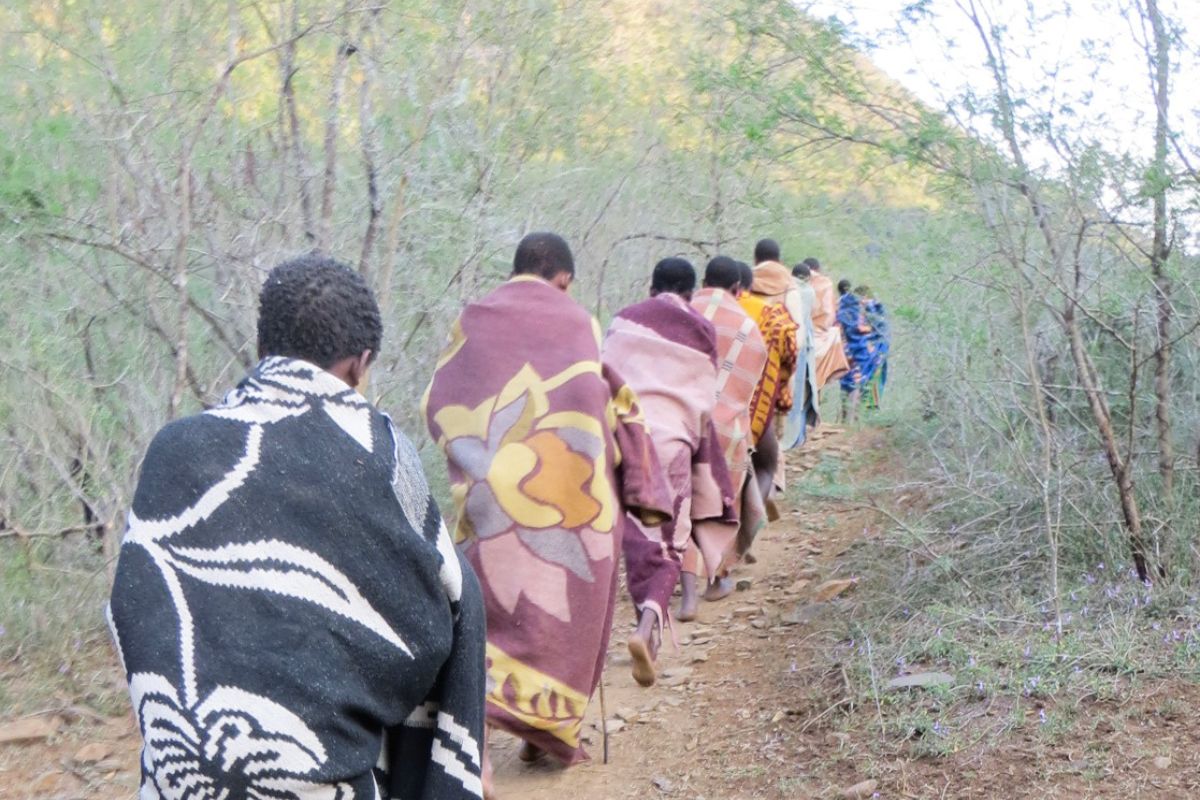
Initiation deaths again cast a shadow over this ancient tradition
Initiation remains a valued tradition, but rising deaths highlight why safer practices and stronger oversight are urgently needed.





South Africa’s initiation tradition marks one of life’s most important milestones. For many families, it symbolises the journey from youth to adulthood, carrying lessons about identity, responsibility and belonging.
Yet each winter, the celebration is overshadowed by stories of preventable deaths, injuries and trauma. This year’s season has once again raised difficult questions about how to protect a respected cultural practice without placing young lives at risk.
WHY IS INITIATION TURNING DEADLY?
The 2026 winter initiation season has thus far claimed around 43 lives, according to the Department of Cooperative Governance and Traditional Affairs (COGTA). Mpumalanga recorded 18 deaths, followed by the Eastern Cape with 14.
Together, those provinces account for more than 70 per cent of all reported fatalities. Authorities have also expressed concern over rising deaths in North West, reports of abductions linked to initiation in Gauteng and the continued spread of illegal initiation schools in the Free State.
The latest figures continue a troubling pattern. Parliament recorded 32 deaths during the 2024 winter season. The 2025 summer season ended with 48 fatalities, despite tighter oversight and awareness campaigns. Those numbers show that progress remains uneven, even after years of government intervention.
Many deaths occur outside regulated systems.
Illegal schools often operate without trained traditional surgeons, proper hygiene or medical support. Dehydration, severe infections, botched circumcisions and delayed treatment remain common causes of fatalities.
WHAT DOES THE TRADITION REALLY INVOLVE?
Customary initiation is far more than circumcision. Among communities such as the amaXhosa, Basotho, Bapedi, amaNdebele and Vhavenda, it is a respected rite of passage. Young men spend time in seclusion, where they learn cultural values, discipline, community responsibilities and the expectations of adulthood.
The ceremonies usually conclude with celebrations that welcome initiates back into their communities.
The tradition itself is not the problem. Community leaders and government officials repeatedly stress that lawful, well-managed schools can uphold cultural heritage while protecting initiates.
The greatest danger comes when profit replaces responsibility or when unqualified operators ignore safety standards.
HOW CAN INITIATION BE MADE SAFER?
South Africa already has legislation through the Customary Initiation Act, which requires registration, monitoring and compliance with health standards. Yet enforcement remains inconsistent, particularly where illegal schools continue to operate.
Experts and traditional leaders agree that stronger cooperation is essential.
Parents should verify that schools are registered before allowing children to attend. Communities need to report illegal schools. Traditional surgeons and caregivers require proper training. Health workers should have access to initiates when complications arise, while police and provincial authorities must act quickly against unlawful operators.
Every initiate deserves to return home safely. Protecting a cherished cultural tradition should never come at the cost of a young person’s life.
Everybody agrees: South Africa’s challenge is not to abandon initiation, but to ensure that respect for culture and respect for life always walk together.