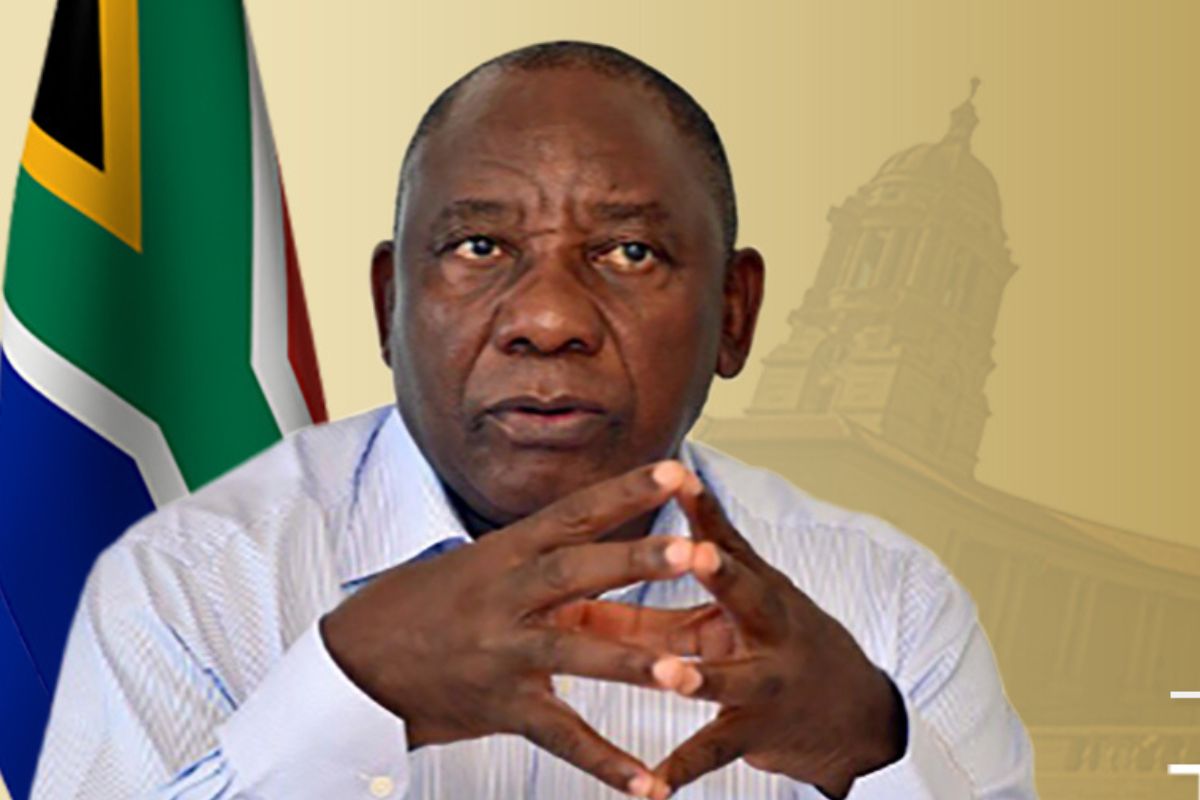
Chairing SADC: Ramaphosa explains his vision for a stronger SA
Chairing SADC, Ramaphosa wants South Africa to drive regional trade, jobs, infrastructure and shared prosperity across Southern Africa.





Chairing SADC should mean more than South Africa hosting meetings and shaking hands. President Cyril Ramaphosa wants it to deliver jobs, trade and growth.
As South Africa takes over the SADC chair, Ramaphosa has set out a vision centred on regional integration. He sees stronger economic ties as essential to South Africa’s own prosperity.
The 46th SADC Summit took place in Durban on 17 August. South Africa will now chair the organisation under a theme focused on industrialisation, infrastructure, agriculture and critical minerals.
WHAT DOES CHAIRING SADC MEAN FOR SOUTH AFRICA?
Ramaphosa said in his weekly newsletter on Monday that SADC membership should not be viewed simply as foreign policy. He sees regional cooperation as directly linked to jobs, industries, infrastructure and living standards in South Africa.
That argument comes as global conflicts disrupt trade and push up the cost of fuel, grain and fertiliser. His message is that Southern Africa needs to rely more on its own resources and markets.
SADC has 16 member states and about 380 million people. Yet intra-regional trade accounted for only 19.8% of total SADC trade in 2024.
WHY DOES CHAIRING SADC FOCUS ON TRADE?
Ramaphosa wants Southern Africa to become a market where countries produce together, rather than simply trade finished products.
He points to critical minerals as a prime example. The region exports minerals needed for modern technology, then imports products made from those same resources.
His vision would see countries sharing production chains. One could manufacture components, another could assemble them, while others supply materials and services.
The President also wants better regional infrastructure. He identifies the Maputo, North-South, Trans-Kalahari, Beira and Lobito corridors as routes that could carry goods, electricity, data and people more efficiently.
He also wants fewer border delays, simpler customs procedures, cheaper money transfers and lower communication costs.
CAN RAMAPHOSA’S VISION CREATE JOBS?
For Ramaphosa, regional integration ultimately comes back to people. He wants economic cooperation to create opportunities for a young Southern African population.
SADC’s own figures show that 51% of its population is under 20. The region also has a youth bulge of about 35% of its population.
That makes education and skills central to his vision. He calls for investment in schools, universities, technical colleges and research institutions.
He also links prosperity to access to food, water, healthcare and early childhood development.
Energy and water form another part of the plan. Ramaphosa wants the Southern African Power Pool expanded so countries can access reliable, affordable electricity. He also calls for cooperation over shared water resources.
The ambition is therefore broader than increasing exports. It is about building economies that work together.
For South Africa, Chairing SADC offers an opportunity to push this vision from policy into implementation. The challenge will be turning corridors, power pools and regional value chains into working systems that improve lives.
That is the test of Ramaphosa’s vision.
A more integrated Southern Africa should not simply look good on paper. It should be felt in factories, businesses, border posts and household incomes.