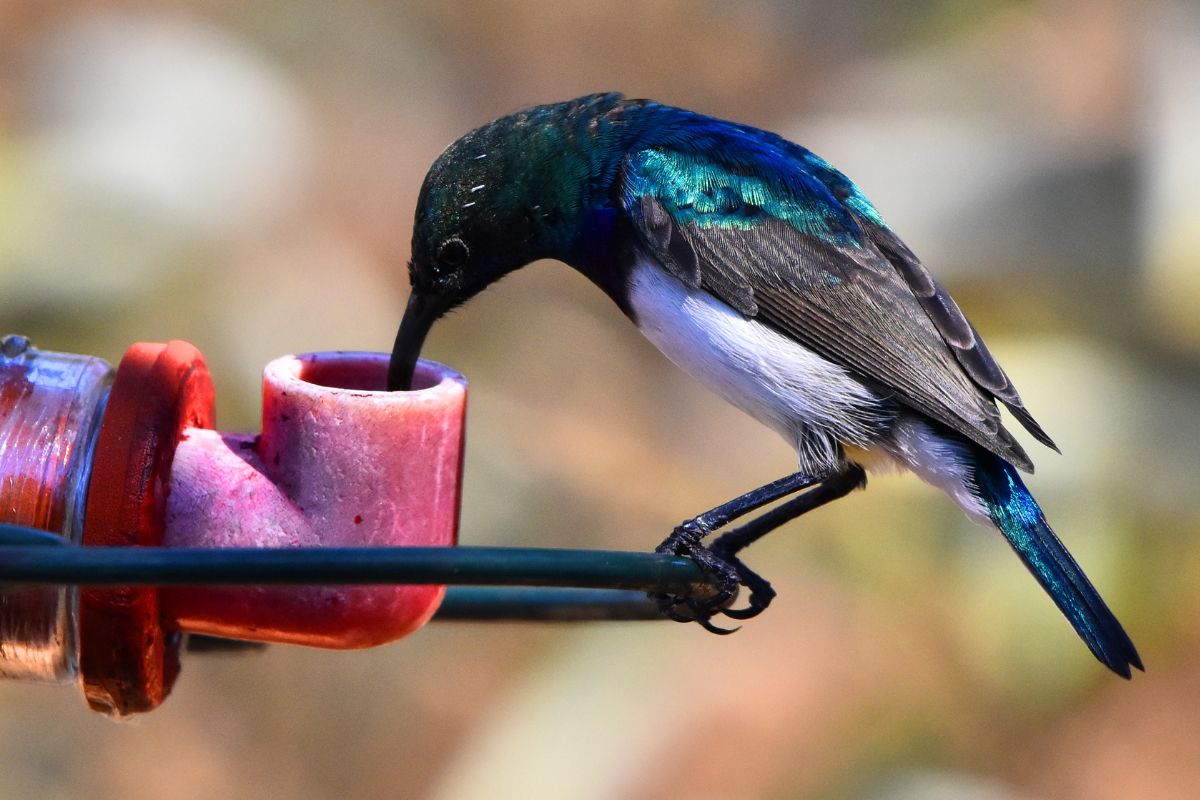
One bird in your garden can give as much joy as many in the bush
A bird in your garden can bring daily joy, but feeding wild birds needs care. Learn what to offer, what to avoid and how to feed safely.





A wild bird in your garden can turn an ordinary morning into something worth pausing for.
A flash of colour, a familiar call or the arrival of a species you have never noticed before can make a garden feel wonderfully alive.
Feeding birds can bring them closer while giving people a chance to observe their behaviour and learn more about local wildlife.
However, feeding birds is not automatically good for them.
BirdLife South Africa’s 2026 guidance stresses that feeding should be supplementary and responsible, rather than replacing natural food sources.
WHY CAN BIRDS IN YOUR GARDEN BRING SO MUCH JOY?
There is more to feeding than filling a container with seed.
Watching birds in your garden can encourage an interest in identification, behaviour and conservation, while gardens planted with suitable indigenous species can provide food and shelter naturally.
BirdLife South Africa promotes bird-friendly planting because natural food sources are preferable to relying heavily on supplementary feeding.
But feeders can also have drawbacks.
Concentrating birds in one place may increase the risk of disease transmission, while food can attract unwanted visitors and predators. Poorly maintained feeders can become contaminated with droppings, mould and old food.
The aim, therefore, should be to supplement what nature provides, not create a fast-food outlet for every feathered visitor.
HOW SHOULD YOU FEED BIRDS?
Start with small quantities of appropriate food and avoid human leftovers such as bread and milk.
BirdLife South Africa recommends suitable options including seeds, fresh chopped fruit and vegetables, suet and mealworms.
Nectar-feeding species need particular care. Artificial sweeteners such as xylitol should never be used, as should honey and additives.
Hygiene matters just as much.
Clean feeders and bird baths regularly, remove food that becomes damp or mouldy, and clear waste from underneath.
You should clean feeders and water baths at least weekly, move feeders regularly and change bird-bath water daily.
WHEN SHOULD YOU STOP FEEDING YOUR GARDEN BIRDS?
Sometimes the kindest response is to put the feeder away.
If you see sick birds gathering around a feeding station, stop feeding, clean the equipment thoroughly and allow the birds to disperse. This reduces opportunities for diseases to spread between visitors.
Disease remains an important consideration. The Cornell Lab of Ornithology’s January 2026 update says the risk of highly pathogenic avian influenza among typical songbird feeder visitors remains low, but recommends regular feeder and bird-bath cleaning.
It also advises extra precautions where domestic poultry is kept.
Ultimately, you do not need a feeder to enjoy a bird in your garden. Indigenous plants, clean water, natural shelter and fewer pesticides can create a healthier invitation.
Sometimes, the best bird buffet is simply a garden where birds can find their own food.