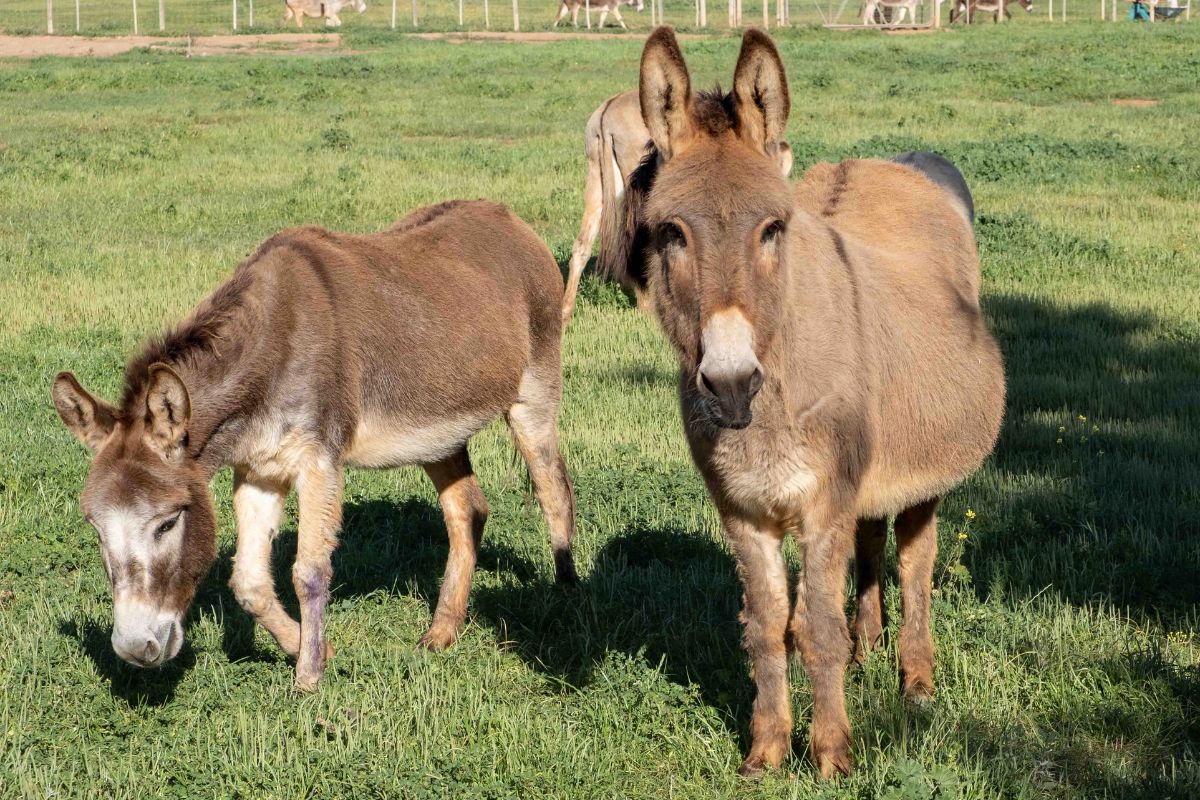
Donkeys find a forever home and good care at McGregor sanctuary
Donkeys find refuge at Eseltjiesrus near McGregor, where rescued animals receive lifelong care and visitors learn more about them.





Donkeys have a remarkable place in South African life, yet many face neglect after years of work.
Just outside McGregor in the Western Cape, Eseltjiesrus Donkey Sanctuary offers some of them a second chance. The sanctuary provides permanent refuge for abused, neglected and elderly donkeys.
It also works to improve understanding of these often underestimated animals. For visitors, it offers an unusual glimpse into the lives of animals that have served communities for generations.
HOW WAS THIS FOREVER HOME FOR DONKEYS ESTABLISHED?
Eseltjiesrus lies about 4km outside McGregor, on the road from Robertson, beside the Klein Karoo.
Its story began in 2001 when Johan and Annemarie van Zijl helped two badly neglected donkeys. Vaal and Japie arrived after the local SPCA asked the couple to provide shelter. Their condition soon revealed a much bigger need for safe retirement homes.
One thing led to another, and the sanctuary officially opened to the public in November 2007. Today, Eseltjiesrus gives rescued donkeys a permanent home rather than expecting them to return to work.
Staff provide daily feeding, grooming and health checks. They clean eyes and hooves, monitor injuries and adapt care to individual needs.
Older or vulnerable animals receive additional attention and suitable food. The sanctuary also supports rehabilitation and education beyond its own gates.
WHY DO DONKEYS NEED THIS KIND OF CARE?
Donkeys can appear tough, but that resilience can make their suffering easier to overlook.
Many working donkeys carry people, water, firewood, building materials and agricultural loads. They can also pull carts and still assist small-scale farmers in rural communities.
The NSPCA warns that poor harnessing, excessive workloads, inadequate care and abuse can cause serious welfare problems. That makes sanctuaries important for animals that can no longer work or need protection after cruelty.
However, rescue alone cannot solve the wider welfare problem.
The NSPCA also works directly with owners through health checks, humane harnessing and education. Its 2025 annual report recorded welfare education for 339 donkey owners during the year.
HOW DO THESE ANIMALS STILL SERVE SOUTH AFRICANS?
For many rural households, donkeys remain practical working animals. For others, they remain novelty methods of transport.
They provide transport where motor vehicles may be expensive or unavailable. They can carry water and supplies, transport produce and draw farming equipment.
South African government information has also highlighted their role in transporting people and goods in rural areas. Eseltjiesrus therefore does more than provide a retirement home. Its work promotes better treatment, responsible handling and greater respect for donkeys.
Visitors can meet rescued animals, learn their stories and support their care. The sanctuary is open from Thursday to Sunday, 10:00 to 16:00. It also has a coffee shop and offers donkey adoption programmes.
For animals that spent their lives carrying human burdens, a peaceful retirement seems fitting. At Eseltjiesrus, the reward is simple: food, safety, companionship and time to just be a donkey.