Cape Town mpox cases rise with German and Norwegian infections
Mpox cases in South Africa have reached 22 as Cape Town records new imported cases from Spain, Germany and Norway.





The Department of Health has confirmed that laboratory-confirmed mpox cases in South Africa have risen to 22, with the majority concentrated in the Western Cape.
As of 22 September 2026, four new infections were logged, including a 47-year-old Cape Town man who recently travelled to Spain, alongside two imported cases involving a German and a Norwegian citizen.
The 47-year-old traveller was reclassified as confirmed following positive laboratory results from Spanish health authorities.
According to departmental updates, 18 of the 22 confirmed cases are located in the Western Cape, three in Gauteng and one in KwaZulu-Natal.
“Of these 22 confirmed cases, 18 are in the Western Cape, three in Gauteng, and one in KwaZulu-Natal. All patients are male except one,” the The Department of Health said on Wednesday, 23 September 2026.
Almost all patients are men between 23 and 50 years old, the department added.
How are health authorities responding to mpox?
In response to international transmission clusters, the Border Management Authority has introduced thermal scanning and health declarations at ports of entry.
Border Management Authority Commissioner Michael Masiapato confirmed that border officials were collaborating directly with district healthcare structures.
Masiapato said: “We are also in close collaboration with the communicable disease facilities in the districts in order to respond swiftly and ensure immediate reporting of any suspected traveller that meets the mpox disease symptom profile.”
To curb further spread, the Department of Health, alongside the World Health Organization and the National Institute for Communicable Diseases, has secured limited Tecovirimat vaccine doses while supporting contact tracing in the Western Cape.
What are the symptoms and health guidance?
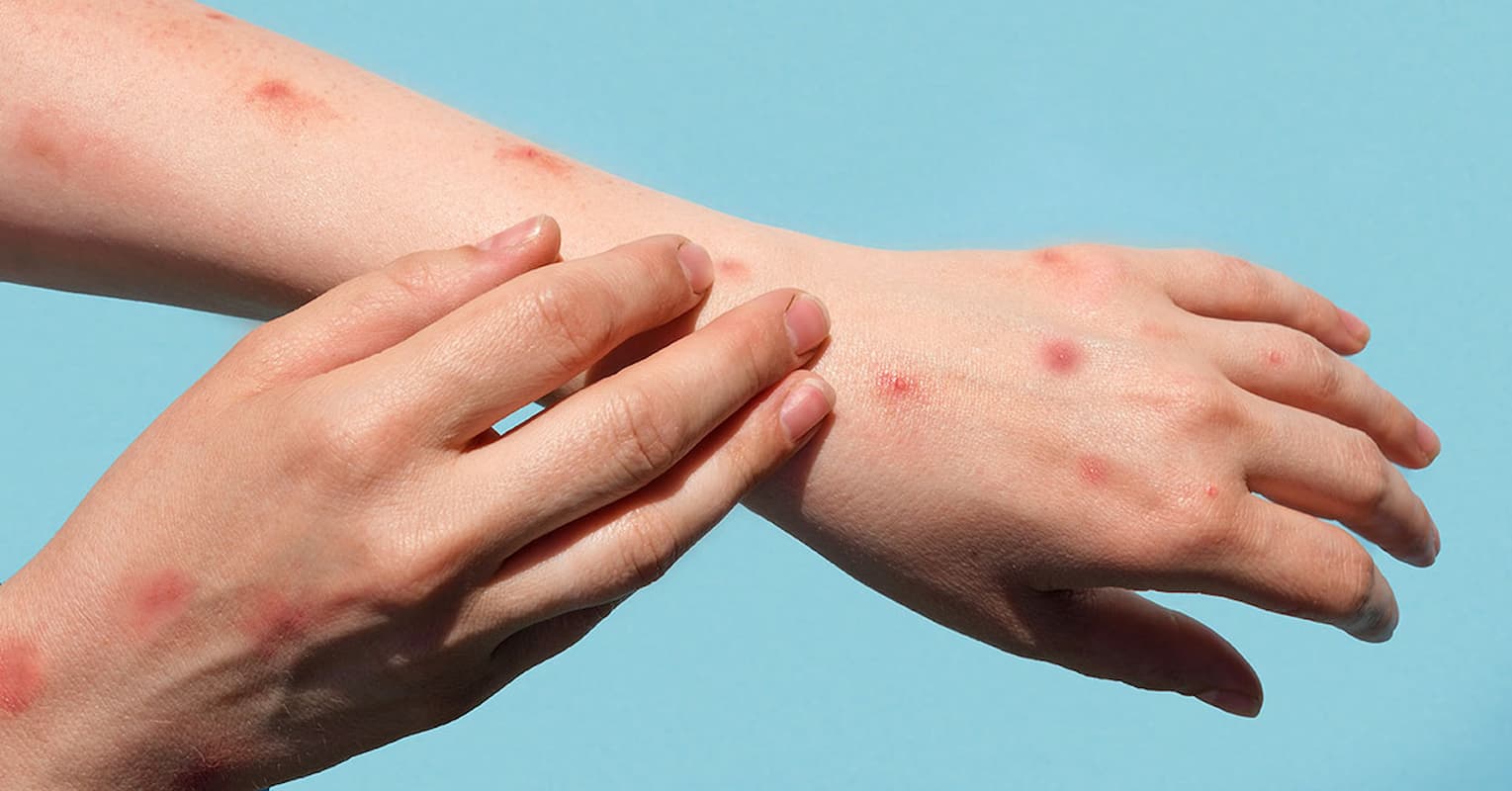
Health officials warn that social stigma continues to deter vulnerable individuals from seeking early care. Typical symptoms resolve in two to four weeks and include fever, headache, muscle aches, fatigue and skin lesions.
Anyone exposed to a confirmed case within the past 21 days is urged to practise strict hand hygiene, monitor for symptoms and report promptly to healthcare providers.