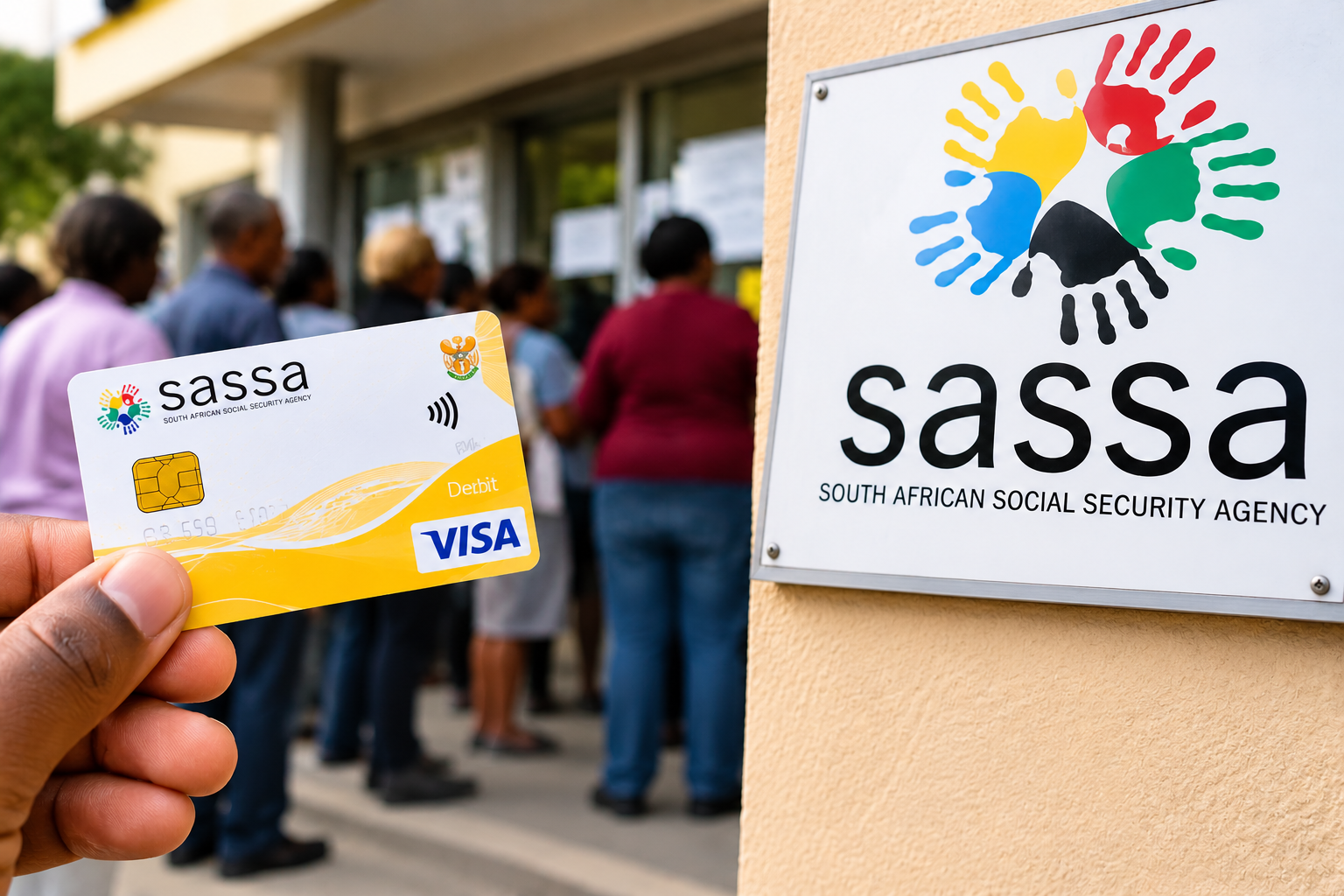
SASSA grant suspended? Here’s what beneficiaries should do next
Has your SASSA grant been suspended? Here’s what beneficiaries need to know about grant reviews, the 30-day restoration window and getting assistance.





A suspended SASSA grant doesn’t necessarily mean the money is gone for good. Here’s what beneficiaries should know about reviews, restoration and their rights.
If your SASSA grant is suspended, the uncertainty can be frightening, particularly when you rely on that money for groceries, electricity, transport and other everyday essentials.
With November payments underway and SASSA continuing its grant review process, some beneficiaries may be wondering what happens if their payment doesn’t arrive.
But a delayed payment, a suspended grant and a cancelled grant are not necessarily the same thing.
Here’s what you need to know.
Why can SASSA suspend a grant?
The South African Social Security Agency (SASSA) regularly reviews grants to determine whether beneficiaries still meet the qualifying requirements.
According to the agency’s official guidance, possible reasons for suspension include:
- Failure to complete a required grant review.
- Not providing requested documents.
- Changes in financial or personal circumstances.
- Failure to cooperate with verification procedures.
- Incorrect or misleading information provided during an application.
- Suspected fraudulent activity.
Importantly, being selected for review does not automatically mean a beneficiary has done something wrong.
The review process is intended to establish whether a person remains eligible for financial assistance.
Is your SASSA grant suspended or simply delayed?
This distinction is particularly important during November.
SASSA has revised its November 2026 payment schedule, with 5 November set aside for review-related payments.
However, beneficiaries should not assume that a missed payment automatically means their grant has been suspended.
SASSA has previously explained that payments can be temporarily delayed while beneficiaries complete required reviews.
Those affected should establish their grant’s status directly with the agency.
What should you do if your SASSA grant is suspended?
The first step is to contact SASSA or visit your nearest local office to establish why the payment has stopped.
If the suspension is linked to an incomplete review, beneficiaries should ask what information or documentation is still required.
SASSA’s official 2026 grant booklet states that beneficiaries whose grants have been suspended because they failed to complete a review must apply for restoration within 30 days of the suspension.
Acting promptly is therefore important.
What documents should you take to SASSA?
Depending on the grant and the reason for the review, beneficiaries may be asked to provide:
- A valid South African ID or Smart ID card.
- Bank statements for the previous three months.
- Proof of income or an affidavit confirming employment circumstances.
- Proof of residential address.
- Medical documentation, where applicable.
- Marriage, divorce or death certificates, where relevant.
- Supporting documents relating to the specific grant.
Not every beneficiary will need every document. It’s best to confirm the requirements with SASSA before visiting an office.
Can a suspended SASSA grant be restored?
Yes, restoration may be possible, depending on the reason for suspension and whether the beneficiary still qualifies.
SASSA’s guidance specifically provides for restoration applications where a grant was suspended because a review was not completed.
However, restoration should not be confused with an automatic payment or guaranteed approval.
Beneficiaries must follow the relevant process and provide the information requested.
What if you cannot visit a SASSA office?
For elderly, bedridden or otherwise incapacitated beneficiaries, visiting a SASSA office may not be possible.
SASSA allows an authorised representative, known as a procurator, to assist with certain grant-related processes.
Beneficiaries or their families should contact their local SASSA office to find out how to arrange this.
What if you disagree with SASSA’s decision?
Beneficiaries who disagree with an adverse grant decision may have the right to challenge it through the relevant reconsideration or appeals process.
SASSA’s 2026 grant booklet advises beneficiaries to seek assistance from an official when lodging an appeal.
The correct procedure may differ depending on the grant type and decision being challenged.
For information about grant reviews, restoration and appeals, consult the official SASSA grant guidance.
Beneficiaries can also contact SASSA on 0800 60 10 11.
What should beneficiaries remember this November?
With the revised payment schedule and ongoing reviews, it’s important to know whether your grant is delayed, under review or formally suspended.
We previously explained what the 5 November SASSA payment date means for beneficiaries whose grants are under review.
If your payment hasn’t arrived, don’t immediately assume it has been cancelled. Contact SASSA, establish the reason and respond promptly to any official review notices.
Have you experienced delays or difficulties completing a SASSA grant review? Share your experience in the comments.