US visa restrictions on South Africa: Who could be hit by new Washington curbs?
Washington has launched a new US visa restriction policy targeting targeting ‘foreign nationals’ tied to ‘race-based’ policies.





The United States has announced a sweeping new US visa restriction policy targeting South African individuals linked to race-based legislation, uncompensated land reform, and racial incitement.
United States Secretary of State Marco Rubio confirmed on Tuesday, 15 September 2026, that Washington is invoking Section 212(a)(3)(C) of the Immigration and Nationality Act pursuant to Executive Order 14204 to bar entry to designated foreign nationals and their immediate family members.
In an official statement, Rubio declared that the United States government remains “gravely concerned about racially motivated crime and government-sponsored discrimination occurring against the Afrikaners and other minority populations”.
Rubio asserted that Pretoria had failed to address earlier warnings regarding property rights and racial rhetoric, adding that such practices “directly undermine peace, economic stability, and the rule of law”.
Under the policy, Washington will deny visas to anyone deemed “responsible for, or complicit in”, enacting or implementing discriminatory policies or uncompensated land seizures.
Who could be affected by the US visa curbs?
While Washington has not yet released an official list of sanctioned individuals, the policy’s broad wording creates extensive exposure, with the restrictions drawn wide enough to potentially snare government officials, politicians, members of Parliament and judges.
The curbs could theoretically also extend to companies and executives who abide by Black Economic Empowerment (BEE) rules.
Conversely, conservative lobby groups have celebrated the announcement. Posting on X, Jaco Kleynhans – head of public liaison at Solidarity – welcomed Rubio’s directive as a “direct and overdue response” to state-sponsored racial classification, employment equity targets, and expropriation threats.
Kleynhans argued that the measures hold policymakers accountable without punishing ordinary citizens, echoing Washington’s call for Pretoria to reverse race-based legislation.
Diplomatic friction and empirical realities
The visa restrictions represent the latest escalation in an icy bilateral relationship between Pretoria and Washington.
Under President Donald Trump’s administration, South Africa has already faced a 12.5% trade tariff over forced-labour rules, exclusion from key G20 finance gatherings, and the creation of a R1.65 billion ($100 million) Afrikaner “refugee” resettlement scheme.
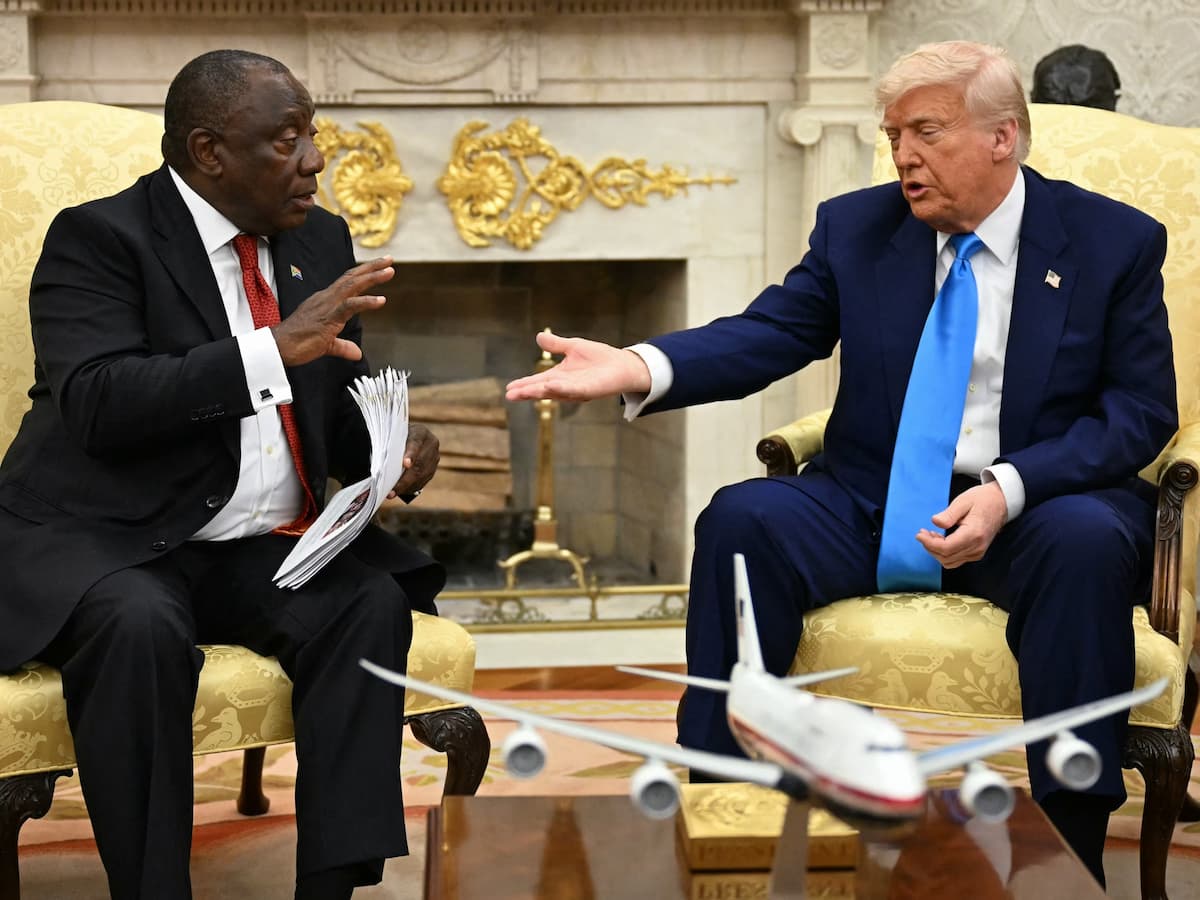
Diplomatic ties have also been tested by public clashes between South African President Cyril Ramaphosa and US Ambassador Leo Brent Bozell III over non-alignment and judicial independence.
However, Washington’s narrative of targeted racial persecution continues to clash with empirical evidence on the ground.
Official first-quarter crime statistics from the South African Police Service recorded just one farm murder nationwide between April and June 2026.
Additionally, criminological research from the Institute for Security Studies demonstrates that violent crime in South Africa affects citizens of all racial groups, driven primarily by opportunistic robbery and socio-economic vulnerability rather than organised racial animus.
As South Africa’s Ambassador to the US, Roelf Meyer, continues efforts to repair ties in Washington, Pretoria faces mounting pressure to navigate America’s increasingly aggressive foreign policy.