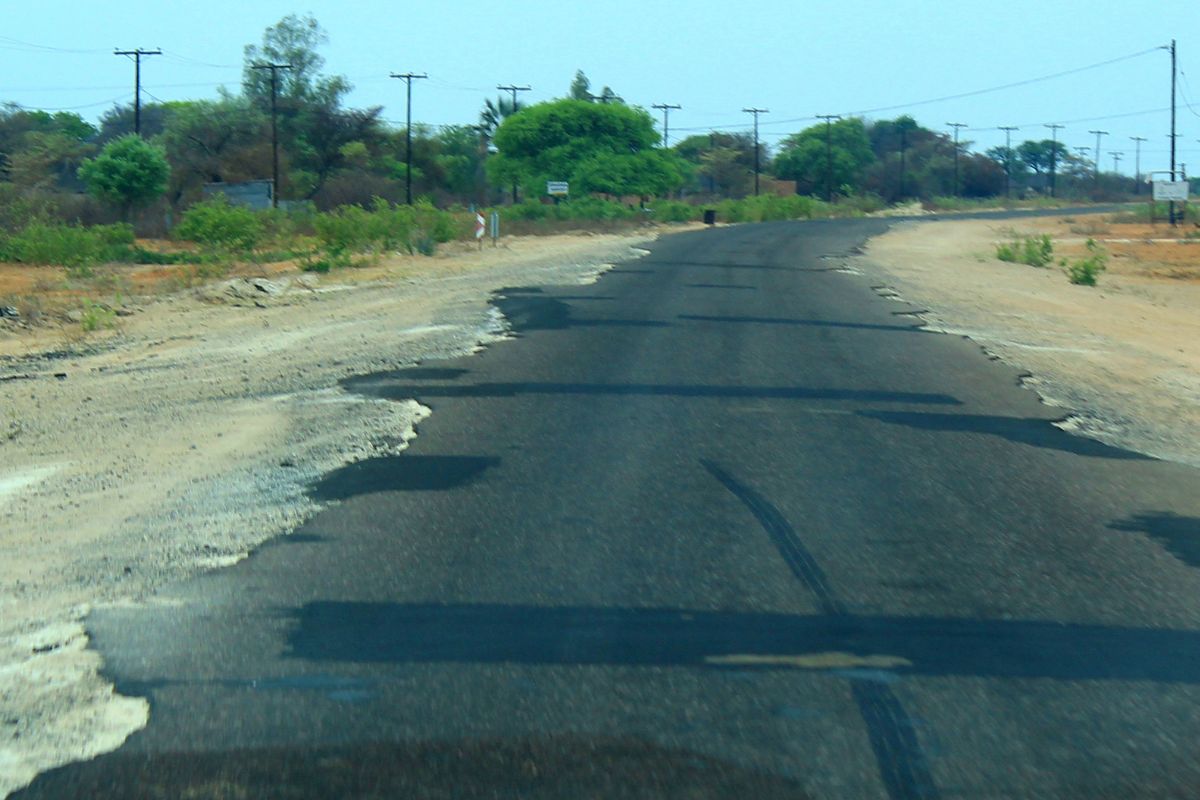
Road maintenance funding rises, but SA roads keep deteriorating
South Africa is spending more on road maintenance, yet provincial and municipal roads continue to deteriorate. What is going wrong?





Road maintenance funding has climbed sharply in recent years, but much of South Africa’s road network continues to decline. For motorists, that means potholes, failed surfaces and rough provincial and municipal routes remain part of daily travel.
Transport Minister Barbara Creecy reported that funding for provincial road maintenance and infrastructure increased from R6.5 billion in 2012 to R17.2 billion in 2026.
That is a 167% increase. The Provincial Road Maintenance Grant began in 2011, so comparable grant data does not extend back to 1994.
The spending increase has therefore not stopped deterioration across lower-level road networks.
HOW BAD IS ROAD MAINTENANCE?
South Africa has an estimated 750 000km road network. SANRAL manages the primary national routes, while provinces and municipalities carry responsibility for most other roads.
SAICE’s Infrastructure Report Cards show a widening gap between the national network and roads managed elsewhere. National roads retained a B+ rating in the 2011, 2017 and 2022 assessments. Provincial paved roads fell from C- in 2011 to D in 2022.
Metro paved roads dropped from C- to D. Municipal paved roads fell from D to E over the same period. Gravel roads remained at E.
The ratings matter because SAICE’s scale moves from good infrastructure towards roads requiring urgent intervention. The figures show that road maintenance has failed to keep pace with deterioration on many provincial and municipal networks.
WHY IS ROAD MAINTENANCE FALLING BEHIND?
More funding does not automatically produce better roads. Creecy has acknowledged that funding and technical capacity remain inadequate at the provincial and municipal levels.
The problem is also one of timing. Road authorities must maintain assets before relatively small defects develop into expensive structural failures. South Africa’s huge network makes that increasingly difficult when maintenance is delayed.
The responsibility is spread across different government spheres. Provinces manage major secondary and tertiary routes, while municipalities manage urban and rural municipal roads. That creates different capacity and funding pressures across the country.
There is also pressure on SANRAL. Since 2013, provinces have transferred 13 000km of roads to the agency for management and maintenance. Creecy has warned that this cannot become a sustainable long-term solution.
WHAT IS BEING DONE ABOUT THE COUNTRY‘S ROADS?
The government has committed significant funding to the problem. The Provincial Road Maintenance Grant will receive R54.2 billion over the medium term. The grant requires provinces to use road asset management systems and follow planning best practices.
The programme targets rehabilitation of 13 456 lane kilometres and resealing of 17 042 lane kilometres. It also includes blacktop patching, regravelling and grading.
A further R1.5 billion was added for 2026/27 to reconstruct and rehabilitate roads damaged by natural disasters. Eastern Cape is allocated R707.6 million and Limpopo R803.9 million from this additional funding.
SANRAL is expected to receive almost R31 billion in 2026 to maintain, rehabilitate, upgrade, and expand the national network. Its programme includes annual maintenance of about 27 000km and resurfacing of 2 000km.
Motorists, who already suffer under heavy fuel prices and costly car maintenance, can only hope for the best, although they don’t necessarily hold their breath…