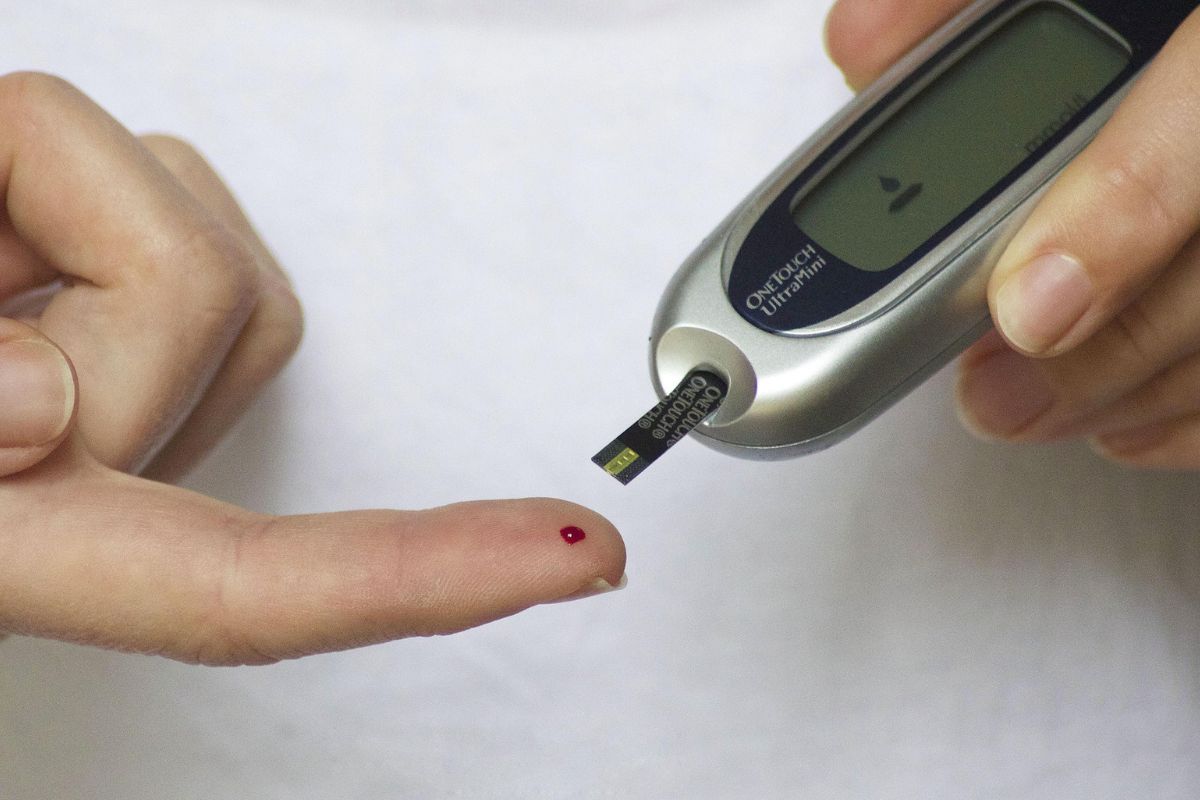
November is Diabetes Month: What it teaches us about the disease
November as Diabetes Awareness Month highlights early diagnosis, warning signs and prevention. Discover what South Africans should know.





November is Diabetes Awareness Month and puts diabetes in the public conversation, although the issue deserves attention throughout the year.
Many people live with the condition without recognising its warning signs. Others misunderstand its causes or blame people who receive a diagnosis. That stigma can discourage people from seeking help.
A diagnosis does not define a person’s choices, character or worth. An awareness month offers a chance to replace assumptions with useful knowledge and turn concern into action.
World Diabetes Day falls on 14 November. It anchors November awareness activities worldwide.
WHY DOES NOVEMBER FOCUS ON DIABETES?
The International Diabetes Federation and World Health Organisation established World Diabetes Day in 1991. They chose 14 November for Sir Frederick Banting’s birthday. Banting and Charles Best co-discovered insulin.
This year’s global theme is Early action on diabetes. The International Diabetes Federation’s 2026 campaign highlights early diagnosis and reducing risk.
The World Health Organization’s 2026 campaign urges people to recognise symptoms, seek care and challenge stigma.
South Africa faces a significant burden. The International Diabetes Federation’s country profile reports 2.3 million adults with diabetes. Its latest figures show a 7.2% prevalence.
WHAT SHOULD WE KNOW ABOUT DIABETES?
Diabetes occurs when the body cannot regulate blood glucose properly. The pancreas may produce too little insulin, or the body may not use it effectively. Insulin helps glucose enter cells for energy.
Type 1 diabetes is an autoimmune condition that requires insulin treatment. Type 2 diabetes occurs when the body uses insulin poorly. It accounts for more than 95% of cases. Gestational diabetes develops during pregnancy and needs medical follow-up.
Warning signs include unusual thirst, frequent urination, tiredness and blurred vision. Increased hunger and unexplained weight loss can also occur. Type 2 diabetes may develop gradually, with few obvious symptoms. Testing matters, especially for people with risk factors.
Untreated high blood glucose can damage the heart, kidneys, eyes, nerves and blood vessels. A healthcare professional can arrange a blood glucose test.
HOW CAN WE ALL ACT?
Do not wait for symptoms before discussing screening with a healthcare professional. Ask about testing if you have concerns or recognised risk factors. Early diagnosis helps people start treatment and reduce complications.
Regular activity and balanced meals can help prevent or delay type 2 diabetes. The WHO recommends at least 150 minutes of moderate exercise weekly. Avoid tobacco and maintain a healthy weight where appropriate. These steps cannot prevent type 1 diabetes.
Support people living with diabetes without judgement. Avoid comments about their food or treatment. Ask what support they need, then listen. Never advise anyone to stop prescribed medication or replace clinical care with online remedies.
South Africans can join local awareness efforts. Sweet Life’s 2026 #WearBlueforDiabetes campaign encourages community walks on 14 November. Share reliable information, learn the warning signs and encourage screening conversations.
November’s message should last beyond the calendar month. Recognise the signs, support early testing and help people access ongoing care. That is how awareness becomes action.