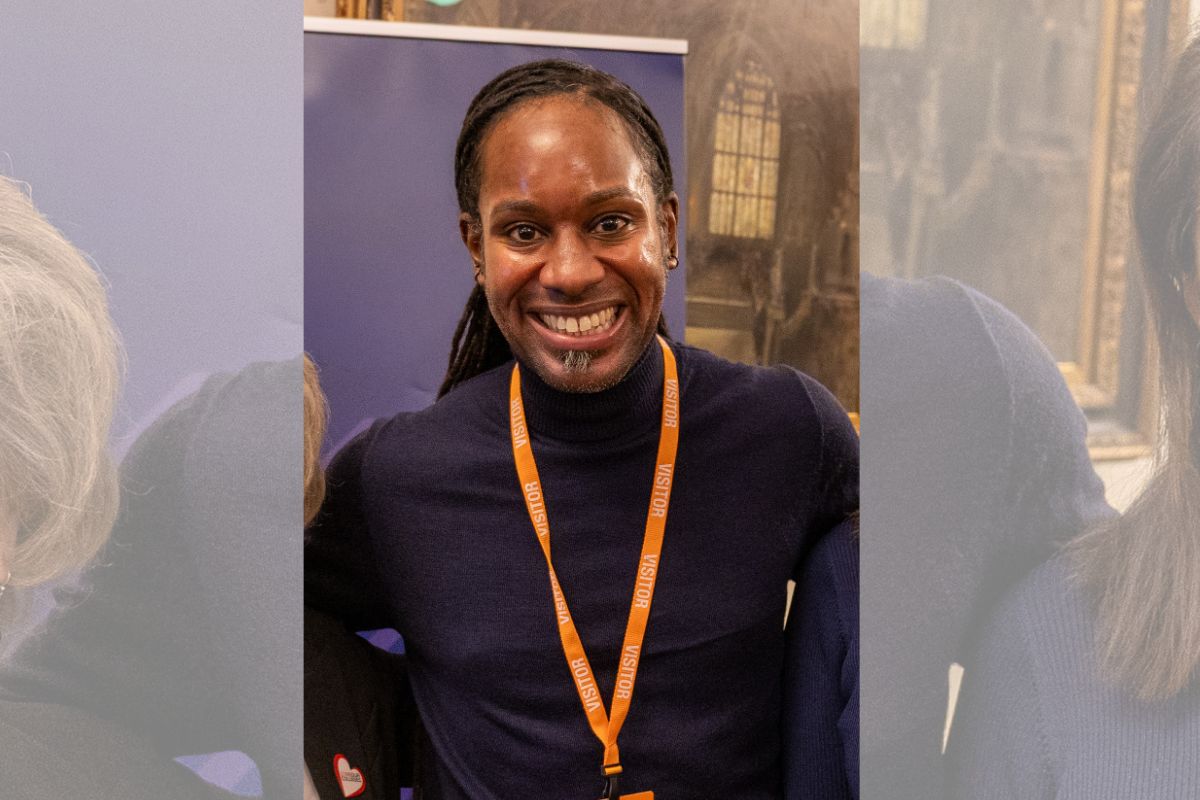
Jason Arday’s story warns SA about the pressure behind Black excellence
Arday’s story raises questions about Black excellence, representation and the pressure placed on trailblazers in South Africa.





Jason Arday’s death raises a difficult question for South Africans too: what happens when one person becomes a symbol of far more than themselves?
His rise from struggling to read and write until age 18 to becoming Cambridge’s youngest Black professor carried a powerful message about opportunity. His story also reflected race, class, neurodiversity and social mobility.
Now, following his untimely death at 41, it has become part of a much harder conversation.
WHY DID JASON ARDAY BECOME A SYMBOL?
Arday was appointed Professor of Sociology of Education at Cambridge in 2023, aged 37. The university highlighted his work on race, inequality and representation in higher education.
He had previously held professorships at Glasgow and other senior academic positions and served as an adjunct professor at the Nelson Mandela University until November 2025.
That achievement mattered beyond Britain. For many Black people, seeing someone overcome barriers and reach an elite institution can feel personal; doors once considered closed might open.
The problem starts when an individual becomes responsible for representing an entire group. Success can then carry expectations that no single person can reasonably satisfy.
WHAT DOES JASON ARDAY’S STORY SAY TO SOUTH AFRICA?
South Africa knows this pressure well. Black professionals who reach senior positions can find themselves judged as individuals as well as symbols of transformation.
The 2025 Commission for Employment Equity report found that white employees held 61.1% of Top Management positions, compared with 18% for African employees. The latest report shows that the imbalance persists, with white employees accounting for 57.1% of Top Management positions in the 2025 reporting cycle, compared with 21.1% for Africans.
That means every breakthrough can appear to carry a wider responsibility. A successful Black doctor, academic, executive or entrepreneur may feel expected to prove that others can follow.
They can also face scrutiny over whether they deserve their position.
Representation matters, so does remembering that representation is about opening doors, not demanding perfection from whoever walks through them.
WHEN DOES ACCOUNTABILITY BECOME SOMETHING ELSE?
Arday’s final weeks show why this distinction matters.
Allegations of plagiarism led to intense scrutiny of his academic record. He denied plagiarism and said previous investigations had found no academic misconduct.
Cambridge later began a fresh investigation into his appointment and tenure.
Arday resigned from Cambridge on 5 August. He was found dead at his London home on 14 August. Police described his death as unexpected but not suspicious.
His family said he had faced a campaign of misinformation and harassment – a claim that must not be confused with an established cause of death.
There is a lesson here for South Africa, too.
Accountability should remain possible, even when someone represents a historic breakthrough. Yet scrutiny should not erase humanity.
A person can be held responsible for their actions without becoming a vessel for every argument about race, transformation or privilege.
Perhaps that is the hardest lesson from Jason Arday. Representation should give people room to be human, not turn them into symbols who are expected to carry everyone else’s hopes.