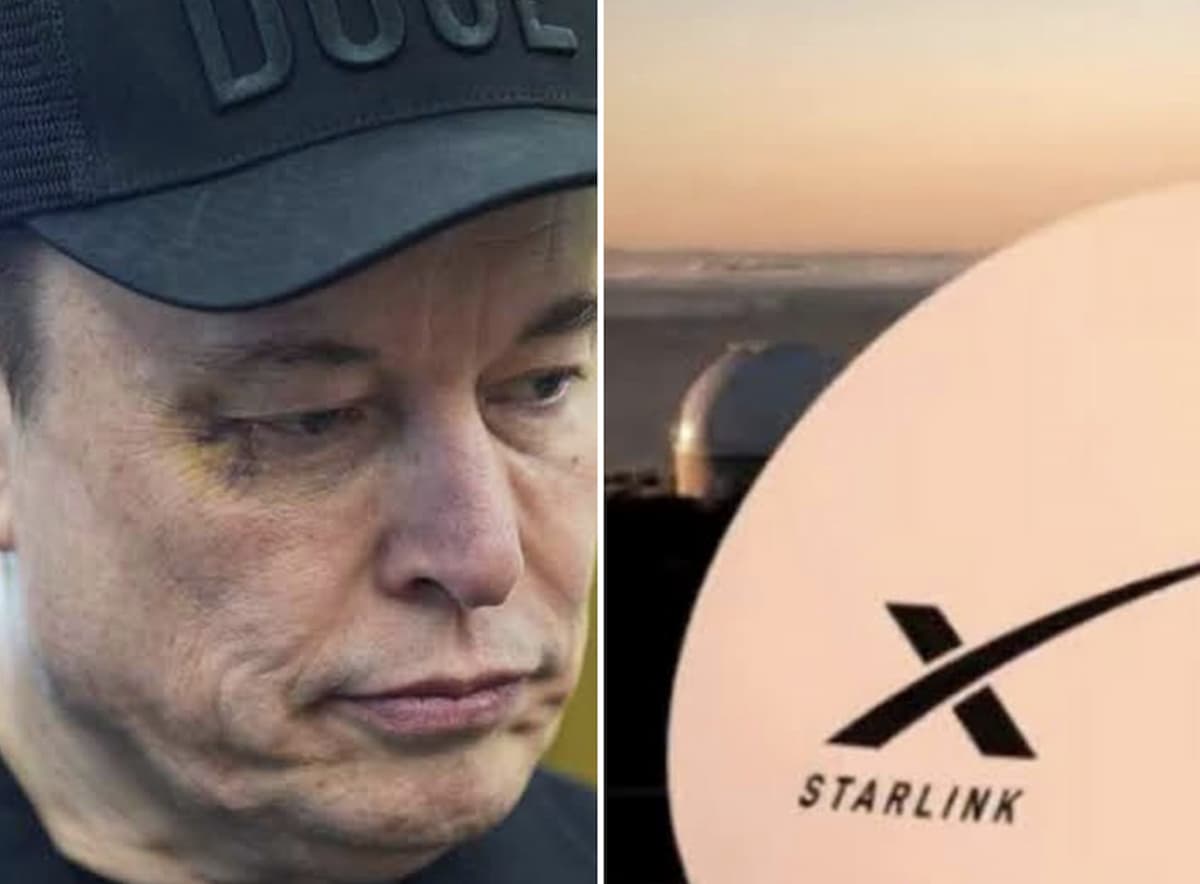
Satellite internet: How stealthy rival beat Elon Musk’s Starlink to SA market
While Musk’s Starlink clashes with ICASA over ownership rules, a rival has complied with a regulation stipulation to bring satellite internet to SA.





Elon Musk’s Starlink has been outmanoeuvred in the race to bring low-Earth orbit satellite internet to South Africa. Amazon Leo has sidestepped the regulatory hurdles that stalled SpaceX, partnering with local internet service provider Herotel to launch a new consumer broadband service named evry by 2027.
According to a statement, Amazon Leo will provide the space infrastructure while Herotel holds the domestic licences, elegantly bypassing the Independent Communications Authority of South Africa (ICASA) mandate requiring telecommunications licensees to have 30% ownership by historically disadvantaged individuals.
It is a local empowerment rule that Pretoria-born Musk has adamantly refused to follow.
Amazon Leo beat Musk’s Starlink
Amazon Leo – rebranded from Project Kuiper in November 2025 – currently operates 396 satellites positioned roughly 590 kilometres above Earth. Through the evry service, Herotel will leverage this optical mesh network to deliver download speeds of up to 300Mbps and low latencies of 50 milliseconds.
The broadband service primarily targets rural communities, game reserves, farms, and townships that remain disconnected from terrestrial fibre networks.
While Starlink currently operates in over 22 African countries, including recent expansions into Uganda, and last month Starlink’s parent company, Space X, appointed South Africa-born Roelof Botha onto its board, its domestic ambitions remain grounded.
ICASA recently rejected Communication Minister Solly Malatsi’s attempts to introduce equity equivalent investment programmes as an alternative to the mandatory black ownership requirement.
The regulatory impasse also played out in April 2026, when President Cyril Ramaphosa’s spokesperson, Vincent Magwenya, bluntly told Musk to “move on” from the South African market. This followed a social media spat where the tech billionaire hurled expletives at a senior Department of International Relations and Cooperation official over the licensing requirements.