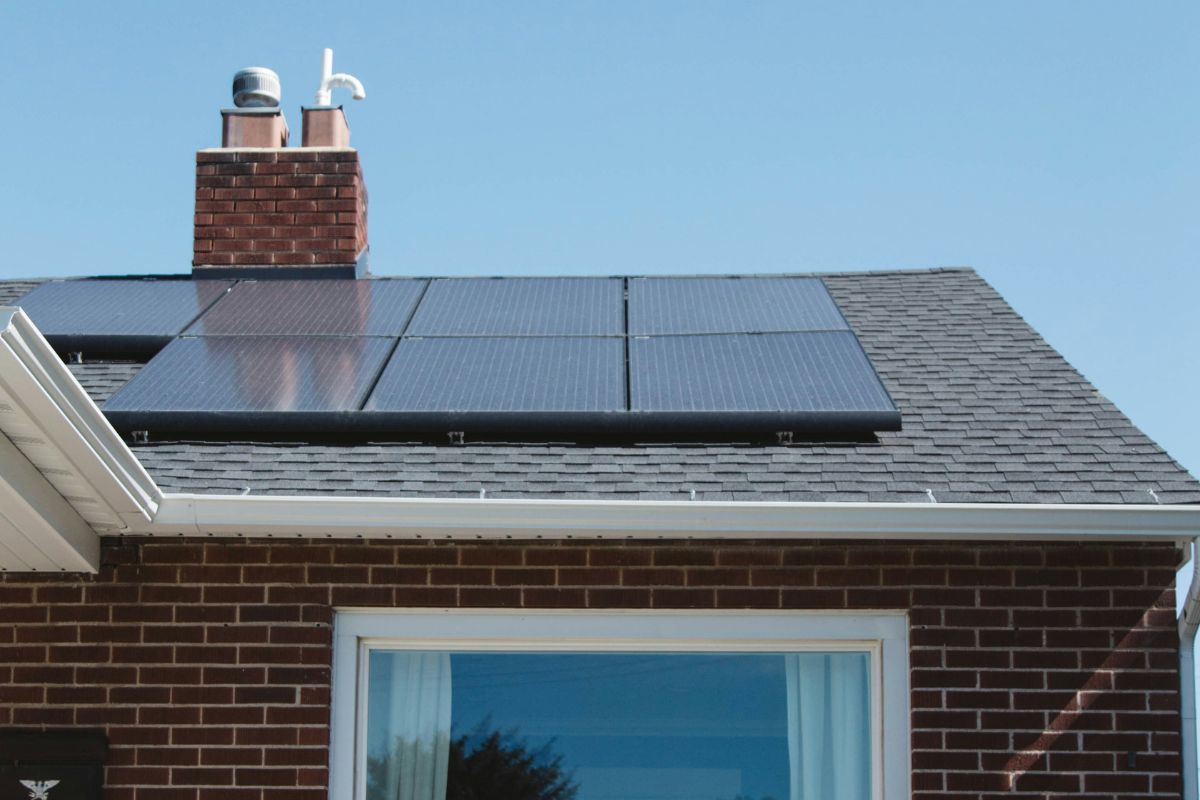
Solar panels: Are households being punished for going green?
Solar panels can cut electricity costs and boost energy security, but new municipal charges are creating fresh costs for some households.





Solar panels have become a familiar sight above South African homes. They promise lower electricity bills and greater independence from the grid.
Yet some households now face municipal charges after making that investment.
In Thaba Chweu, the dispute has raised questions about whether going off-grid can still leave residents paying for electricity services.
SOLAR ENERGY, BUT STILL PAYING THE MUNICIPALITY?
Thaba Chweu Local Municipality charges properties with solar panels R582.64 monthly, according to MyBroadband. The charge can apply even when a property no longer uses municipal electricity.
AfriForum has challenged the charge, arguing that it may amount to an unlawful tax. It also questioned whether the municipality followed the required public participation process.
The organisation has asked Thaba Chweu and NERSA to explain the levy. It says the municipality failed to provide documentary proof after an earlier request.
However, the legal position remains contested. Energy analyst Chris Yelland told MyBroadband that municipalities may have arguments around recovering network costs. He said the legality of charging completely off-grid customers remains unsettled.
WHY ARE SOLAR PANELS SO PRACTICAL?
South Africans install solar panels for several practical reasons. They can reduce reliance on purchased electricity and provide an alternative source during supply problems.
Electricity prices also continue to rise. Eskom’s approved 2026/27 increase averages 8.76% for direct customers. Municipal electricity tariffs increased by an average of 9.01% from 1 July 2026.
The national electricity picture has improved, however. Eskom reported 476 consecutive days without loadshedding by 4 September 2026. It also said rooftop solar remains useful when solar generation falls because of darkness or cloudy weather.
For many households, solar therefore serves as more than protection against loadshedding. It can also reduce grid consumption and improve control over household energy use.
WHAT DOES THE FUTURE HOLD FOR SOLAR PANELS?
The debate is unlikely to disappear as more households generate their own electricity. Municipalities still need to maintain distribution networks, even when customers buy less electricity.
NERSA approved all 176 electricity distributor tariff applications for 2026/27. The regulator said the applications followed required processes and included public comment.
Eskom is also moving towards greater recovery of fixed network and service costs. Its tariff structure already includes changes designed to recover more costs through fixed components.
That points towards a changing electricity market. Solar users may increasingly face registration requirements, fixed charges or different tariffs.
Whether municipalities can charge completely off-grid households remains a separate legal question.
Until that question is settled, solar panels may offer independence from the grid without guaranteeing independence from the municipal bill.