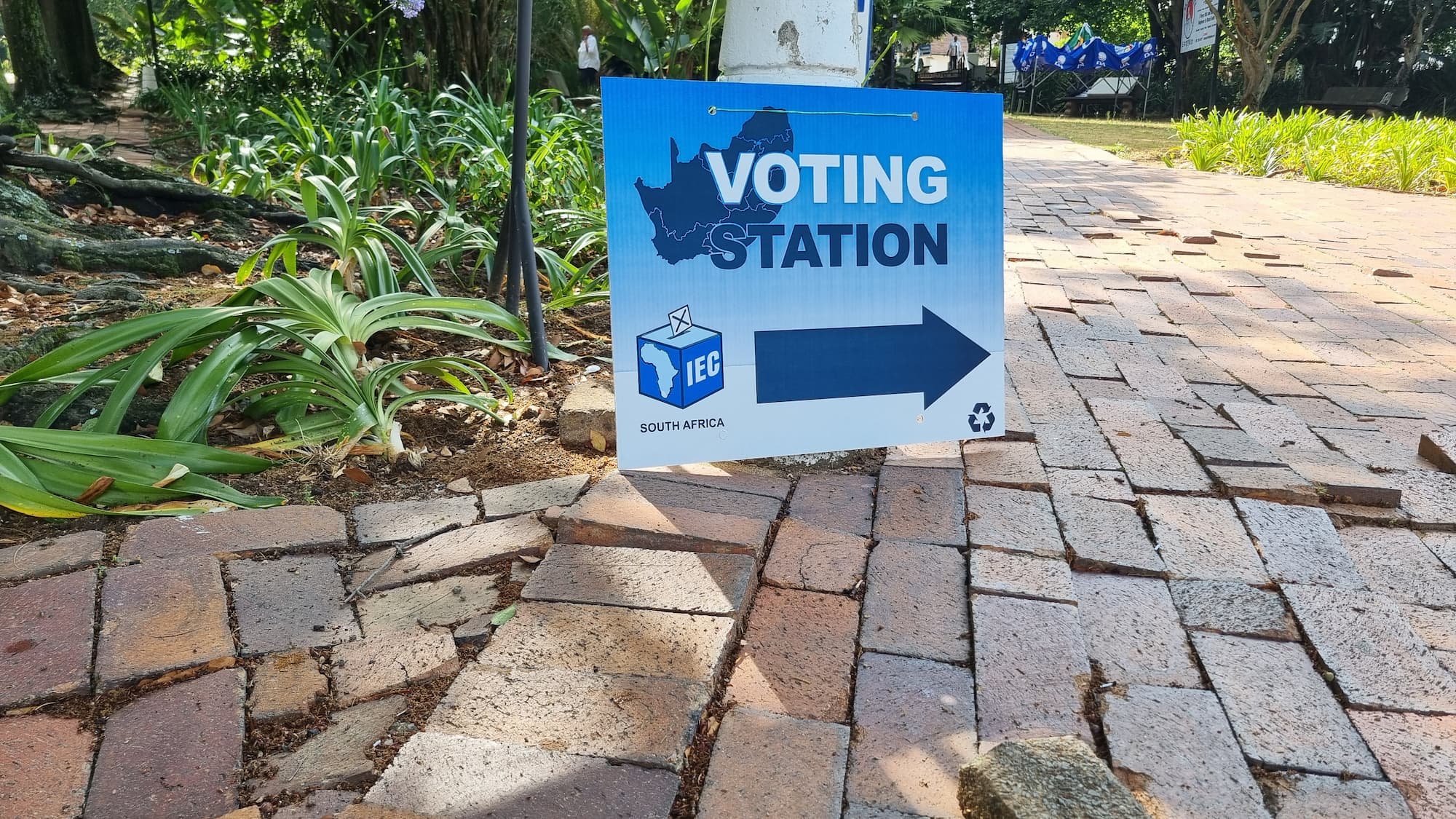
Ramaphosa changes voting venue after nearly a decade of ballots in Soweto
President Cyril Ramaphosa will vote in Hyde Park for the 2026 local elections, moving away from his traditional Soweto voting station.





President Cyril Ramaphosa and First Lady Dr Tshepo Motsepe will cast their ballots at Hyde Park High School in Sandton at 10:00 on Wednesday, 4 November 2026.
The move marks the first time Ramaphosa has voted in Hyde Park since assuming the presidency in 2018, departing from his long-standing tradition of voting in his childhood township of Chiawelo, in Soweto.
Since taking office in 2018, the president has consistently cast his vote at Hitekani Primary School in Chiawelo, Soweto, a stone’s throw from his childhood home.
He voted at the Soweto venue during the 2019 and 2024 national elections, as well as the 2021 local government polls.
The Presidency confirmed the Hyde Park venue after Ramaphosa declared Wednesday a national public holiday under the Public Holidays Act of 1994.
Why did Cyril Ramaphosa change his voting venue?
Under Electoral Commission of South Africa (IEC) regulations, municipal elections require citizens to vote strictly at their registered voting station.
Unlike national elections where voters could notify the commission to vote outside their registered district, local polls tie voters to their specific ward.
The venue change confirms Ramaphosa updated his voter registration to Sandton before the IEC certified the voters’ roll following the election proclamation in August.
His vote comes as Johannesburg stands at the centre of South Africa’s fiercest municipal battleground, where a record 80 political parties are contesting proportional representation lists in the R97 billion-budget metro.
Nationwide, 142 072 candidates – a massive 43% surge compared to 202 – are competing for 10 526 council seats across 23 696 voting stations.