Precious animal species: Can South Africa stop smuggling?
Precious animal species face trafficking pressure. Can stronger enforcement and public reporting help protect South Africa’s wildlife?





Several precious species face growing pressure from illegal collection, online sales and cross-border trafficking.
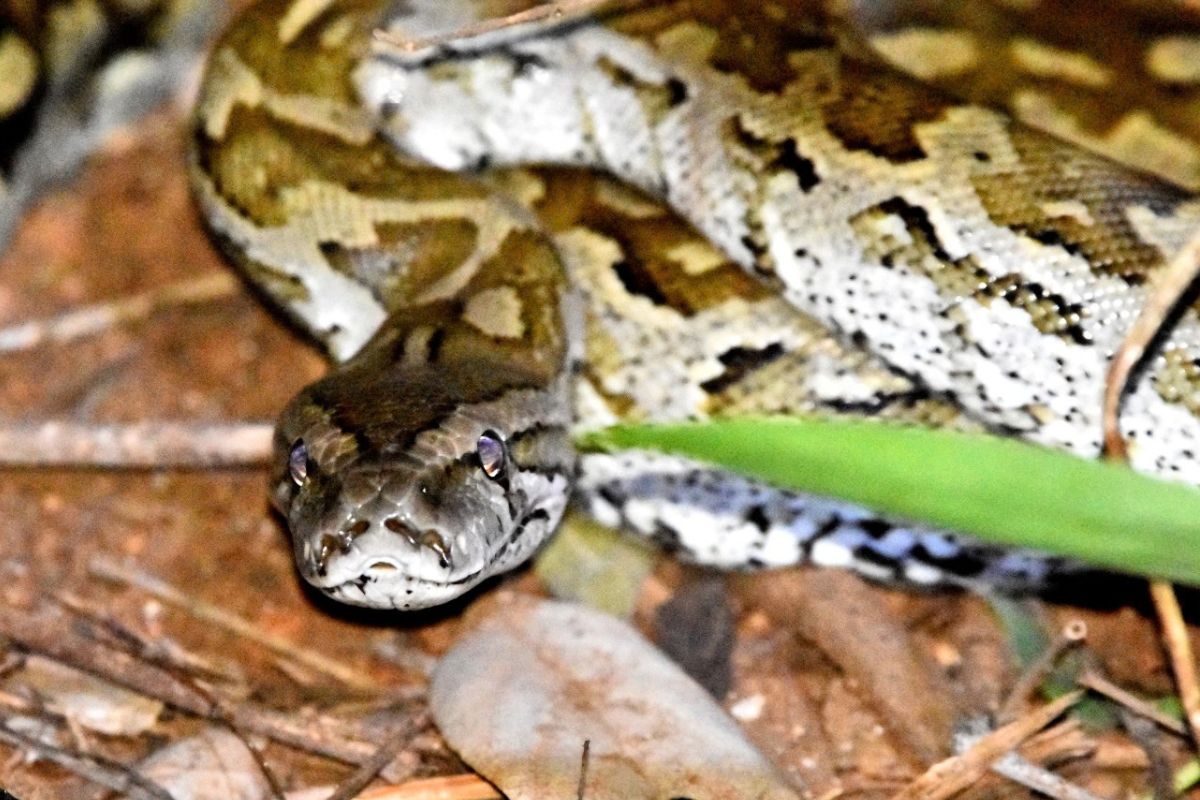
A recent North West case shows how quickly a wild animal can become a commodity. Police recovered a Southern African python after someone allegedly advertised it online for R5 000.
Two suspects appeared in court after an intelligence-led operation.
The case also shows why public tip-offs can help authorities disrupt wildlife crime before animals cross the border.
WHY ARE PRECIOUS SPECIES SO ATTRACTIVE TO CRIMINALS?
Money drives wildlife trafficking, especially when rare animals command high prices.
Collectors often seek unusual reptiles, birds and other species for private collections. Such trafficking affects thousands of threatened species worldwide.
It identifies reptiles, birds, fish and mammals among species facing illegal trade.
Online platforms can connect sellers with buyers while making transactions harder to detect.
South Africa’s biodiversity therefore creates opportunities for criminals targeting valuable wildlife. Illegal collection can also remove breeding animals from already vulnerable populations.
The consequences extend beyond individual animals.
Removing wild specimens can weaken local populations and disrupt ecosystems. Traffickers can also expose animals to injury, disease and extreme transport conditions.
WHAT CAN PERPETRATORS EXPECT?
The Delareyville case involved allegations under section 57(1) of NEMBA. Police recovered the python after receiving information about an alleged online sale. The Citizen reported that police arrested two men during the September 2026 operation.
South Africa’s Department of Forestry, Fisheries and the Environment sets out penalties for offences involving TOPS species.
A first conviction can attract a fine of up to R5 million. It can also bring up to five years’ imprisonment, or both penalties. A second or subsequent conviction can bring a fine of up to R10 million. It can also bring up to ten years’ imprisonment, or both.
A recent pangolin case demonstrates that courts can impose lengthy prison sentences. The South African Government reported that two traffickers received eight years’ direct imprisonment in May 2026.
CAN SOUTH AFRICA STOP PRECIOUS SPECIES LEAVING?
Prevention needs cooperation between authorities, communities and legitimate wildlife businesses. Recent airport cases show why intelligence-led operations matter. DFFE reported that authorities arrested two people in separate OR Tambo cases involving 50 and 418 parrot eggs.
The cases involved eggs allegedly destined for illegal export. DFFE later reported that several hatchlings died after traffickers transported the eggs in makeshift incubators.
These incidents show the cruelty behind seemingly lucrative wildlife deals. They also demonstrate why border controls need strong intelligence and inter-agency cooperation.
The public has an important role too.
People should report suspicious wildlife sales rather than becoming potential buyers. Anyone buying protected wildlife should also verify permits and legal provenance.
Protecting precious species requires action before animals reach airports and borders. Strong investigations can disrupt trafficking networks before criminals profit. Responsible buyers can also reduce the demand that makes wildlife smuggling lucrative.
South Africa cannot protect its biodiversity through enforcement alone. Communities, conservation groups and authorities all have a role in keeping precious species where they belong.