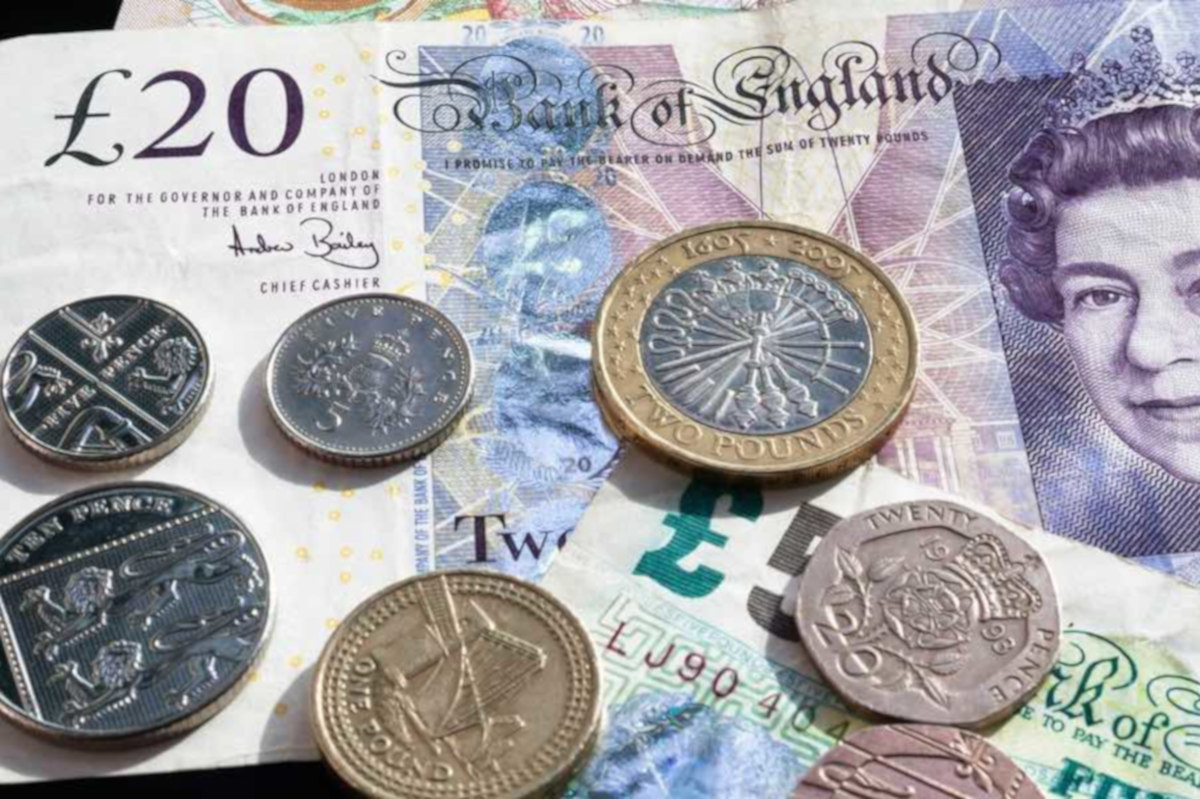
Bank of England cuts interest rate: What it means for SA expats with UK mortgages
The Bank of England has slashed its base rate to 3.75% – the lowest in nearly two years. If you’re a South African living in the UK with a mortgage, here’s exactly what this means for your monthly payments, whether you’re on a tracker, fixed rate or variable deal.

The Bank of England’s Monetary Policy Committee voted five to four to cut the base rate from 4% to 3.75% late last week, marking the fourth rate cut this year.
For South Africans who’ve made the UK home, this matters more than you might think.
Whether you’re paying off a mortgage on your Putney flat or holding onto a buy-to-let investment property, this rate change will likely affect your wallet within the next few weeks.
‘Anticipating the rate cut’
“Market watchers have been anticipating the BoE’s rate cut for some time.
“Now that it finally happened, it boosts consumer confidence. Especially those either looking to buy a property or those who have already contracted a mortgage.
“For South Africans investing in UK properties, this comes as a long-overdue respite. But it can also be a double-edged sword. The more buyers enter the market, the more chances for prices, in general, to rise,” explains Terence Hove, Senior Financial Markets Analyst at Exness.”
Here’s what you need to know.
What exactly is the base rate?
The base rate is the interest rate the Bank of England uses to charge other banks and lenders when they borrow money.
Think of it as the foundation that influences what you pay on your mortgage and what you earn on your savings.
The Bank uses it as a tool to control inflation, which currently sits at 3.2% – still above the target of 2%, but heading in the right direction.
If you’re on a tracker mortgage
This is the simplest scenario. Your rate will automatically drop by 0.25 percentage points.
In practical terms, that works out to roughly £15 less per month for every £100 000 of mortgage debt.
Using current exchange rates, that’s around R345 less per month per R1.8 million of debt.
For a typical London mortgage of £400 000 (about R9.2 million), you’re looking at £60 less per month, or around R1 380. That’s a braai or two saved every month.
The reduction should appear on your next statement, typically within the next month.
If you’re on a fixed-rate mortgage
No immediate change here. Your rate is locked until your fix ends, which is precisely why you chose it in the first place.
However, if your fixed term ends within the next three to six months, now is the time to start shopping around. Don’t wait until the last minute.
Check with your current lender first about product transfer offers. These are deals available to existing customers that often come with lower fees and less paperwork than switching lenders entirely.
Many lenders allow you to lock in a rate up to six months in advance. Some even let you switch to a better deal later if rates drop further, though terms vary by lender.
If you’re on a variable rate
Most variable rate mortgages, including standard variable rates (SVR), should drop by around 0.25 percentage points. However, unlike trackers, lenders aren’t obliged to pass on the exact reduction.
Expect the change to filter through within the next month. If you’re on an SVR, you’re typically paying well over the odds anyway. This might be the nudge you need to remortgage to a better deal.
What about buy-to-let properties?
Same rules apply whether you’re living in the property or renting it out. The rate cut affects buy-to-let mortgages in exactly the same way.
If you’re a South African who kept a UK property as an investment when you moved here, or if you bought a place for your kids at university, this cut could improve your rental yield slightly.
Just remember that currency fluctuations between the rand and pound can have a bigger impact on your bottom line than a 0.25% rate change. At the time of writing, the pound sits at around R22.45.
What should you do now?
If you’re on a tracker: Nothing. Sit back and enjoy the slightly lower payment next month.
If your fix ends soon: Start comparing deals now. Use comparison sites or speak to a mortgage broker. Many South Africans find brokers particularly helpful for navigating the UK mortgage market, especially if you’re self-employed or have a more complex income situation.
If you’re on a variable rate: Seriously consider remortgaging. Variable rates are almost always more expensive than the best fixed deals available.
If you’re thinking of buying: This cut has been anticipated by the market, so mortgage rates have already adjusted somewhat. Don’t expect dramatic drops in fixed-rate deals overnight.
What happens next?
The Bank of England’s statement suggests more rate cuts are likely throughout 2026. Inflation is “past the peak” and should hit the 2% target by April next year.
In January, the base rate was 4.75%. We’ve now seen it drop a full percentage point this year, with the Bank signalling a “gradual downward path” ahead.
For context, South Africa’s repo rate currently sits at 7.75%, making UK borrowing costs significantly cheaper – one of the financial perks of life in Britain that partially offsets the eye-watering property prices.
The bigger picture for expats
This rate cut is a reminder that UK mortgage rates remain relatively attractive compared to what many of us grew up with in South Africa. But the gap is narrowing.
If you’re currently renting in the UK while trying to decide whether to buy, or if you’re weighing up whether to keep that property back in Cape Town or invest here instead, the falling rate environment might influence your thinking.
Lower rates mean lower monthly payments, but they also tend to push property prices higher as more buyers enter the market. It’s the classic UK property conundrum.
Are you a South African expat who’s recently remortgaged or bought property in the UK? How have you found navigating the British mortgage system compared to what you knew back home? Share your experiences in the comments below, or email us at info@sapeople.com.