Are South African expats choosing to have medical and aesthetic procedures done back home?
Are South African expats choosing to have medical and aesthetic procedures done back home? We explore the pros, cons and cost comparisons – including Botox in South Africa vs the UK.

For South Africans living abroad, going home is always emotional. It’s about family, comfort food and familiar accents – but increasingly, it’s also about booking in a few long-overdue appointments.
When my friends and colleagues overseas talk about the soaring cost of dental and other aesthetic treatments in places like the UK, I completely understand why they squeeze in a bit of self-care between family lunches back home.
It’s a question many expats are quietly asking: Are South Africans living abroad choosing to have medical and aesthetic procedures done when visiting home – and should they?
Why South Africa Is an Attractive Option for Expats
One of the biggest drivers is cost.
Even when flights are factored in, many procedures in South Africa are significantly more affordable than in countries such as the UK, Europe, Australia or the US.
This applies to both medical and aesthetic treatments – from dentistry and diagnostic screenings to Botox, fillers and laser procedures.
South Africa also has a strong reputation for private healthcare.
Many doctors and specialists are internationally trained, registered with global medical boards, and work in world-class facilities, particularly in cities like Cape Town and Johannesburg.
For expats, there’s often a sense of trust and familiarity with the healthcare system back home, especially if they had long-standing doctors before emigrating.
Accessibility is another major drawcard.
In countries with public healthcare systems, waiting lists for non-urgent or elective procedures can be long.
In South Africa, consultations and treatments are often easier to schedule, making it possible to plan appointments around a relatively short visit.
How the Costs Compare: Botox in South Africa vs the UK
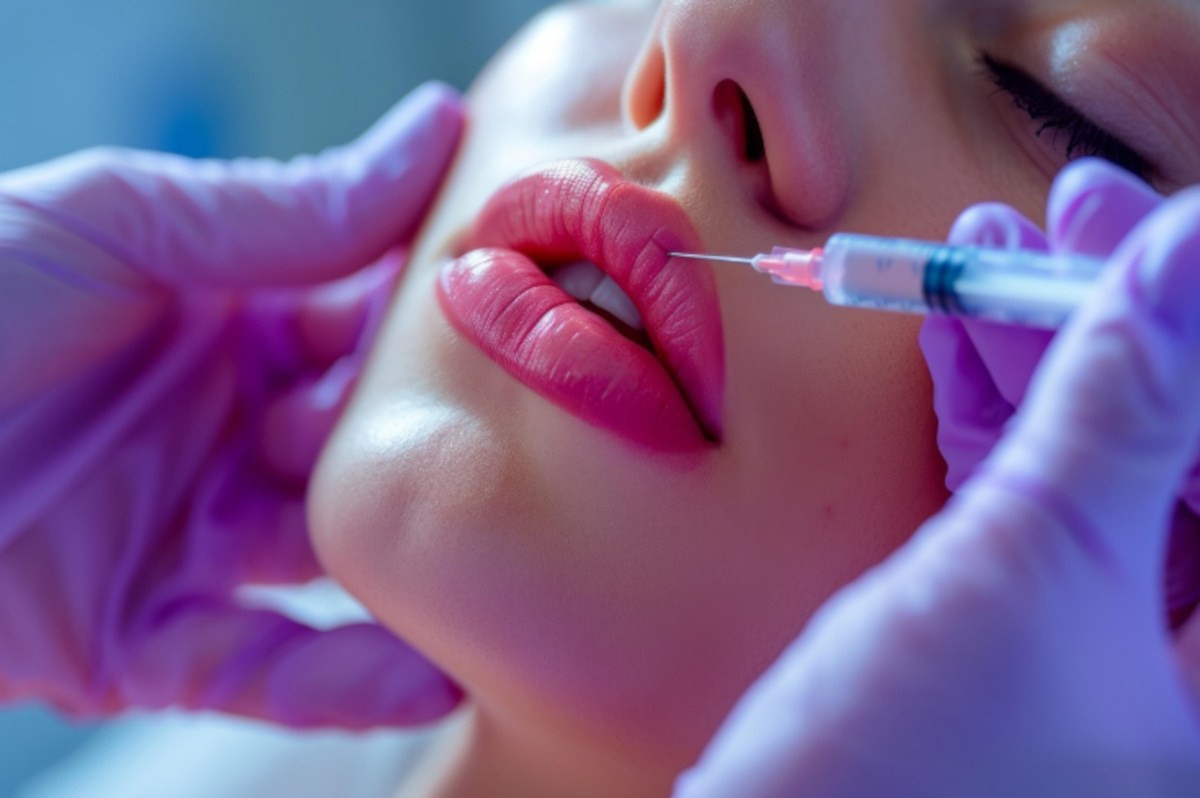
Botulinum toxin or Botox is one of the clearest examples of where the cost difference becomes noticeable.
In the UK, Botox is typically priced per area. On average:
- £180 – £350 per area, depending on the clinic and location
- Treating three common areas (forehead, frown lines and crow’s feet) can easily cost £700 – £900 per session, especially in cities like London
In South Africa, pricing is generally more accessible:
- One area typically ranges from R2 000 to R3 500
- Three areas usually cost between R6 000 and R9 000, depending on dosage and practitioner
Even at the higher end, this works out to roughly £250 – £400 for three areas – often less than the cost of treating just one or two areas in the UK.
The price gap isn’t necessarily about quality.
Factors such as lower operating costs, currency differences and healthcare structures all play a role.
Many South African practitioners use the same internationally approved products and follow global best-practice protocols.
The Growing Appeal of Aesthetic Treatments
Aesthetic medicine has become particularly popular among expats visiting home.
Botox, fillers, skin boosters, laser treatments and even minor surgical procedures are widely available and competitively priced.
Many clinics keep up with international trends and technologies, and some practitioners are globally recognised in their fields.
There’s also a discreet advantage.
Having treatments done while visiting South Africa allows expats to return abroad looking refreshed without colleagues or acquaintances noticing incremental changes over time. You merely look ‘’well rested’’!
The Pros
- Cost savings: Significant price differences compared to many countries abroad
- High-quality care: Excellent specialists and private facilities
- Shorter waiting times: Faster access to consultations and treatments
- Familiarity: Comfort and trust in the South African healthcare system
- Discretion: Treatments can be done quietly while visiting home
The Cons to Consider
Follow-up care is one of the biggest considerations.
While many aesthetic treatments require minimal downtime, complications – although rare – can occur.
Being thousands of kilometres away from your practitioner may complicate aftercare.
For more invasive medical or surgical procedures, recovery time is crucial.
Expats need to allow sufficient time in South Africa to heal properly before flying, particularly as long-haul travel can increase risks such as blood clots.
Medical insurance is another important factor.
Some international policies do not cover procedures done outside your country of residence, especially elective or aesthetic treatments. Understanding what is and isn’t covered is essential.
Finally, not all clinics are equal.
As with anywhere in the world, thorough research and choosing reputable, well-qualified professionals is non-negotiable.
So, Is It Worth It?
For many South African expats, the answer is yes – with careful planning.
South Africa offers a compelling mix of affordability, expertise and accessibility, making it a logical option for both medical and aesthetic procedures.
It’s particularly well-suited to treatments that don’t require extensive long-term follow-up or where aftercare can be managed remotely.
I understand the appeal completely – and if I were to emigrate, this is one trend I’d happily embrace.
The key is approaching it thoughtfully: researching your practitioner, timing it right and remembering that with health and aesthetics, quality and safety will always matter more than saving a few rands or pounds!