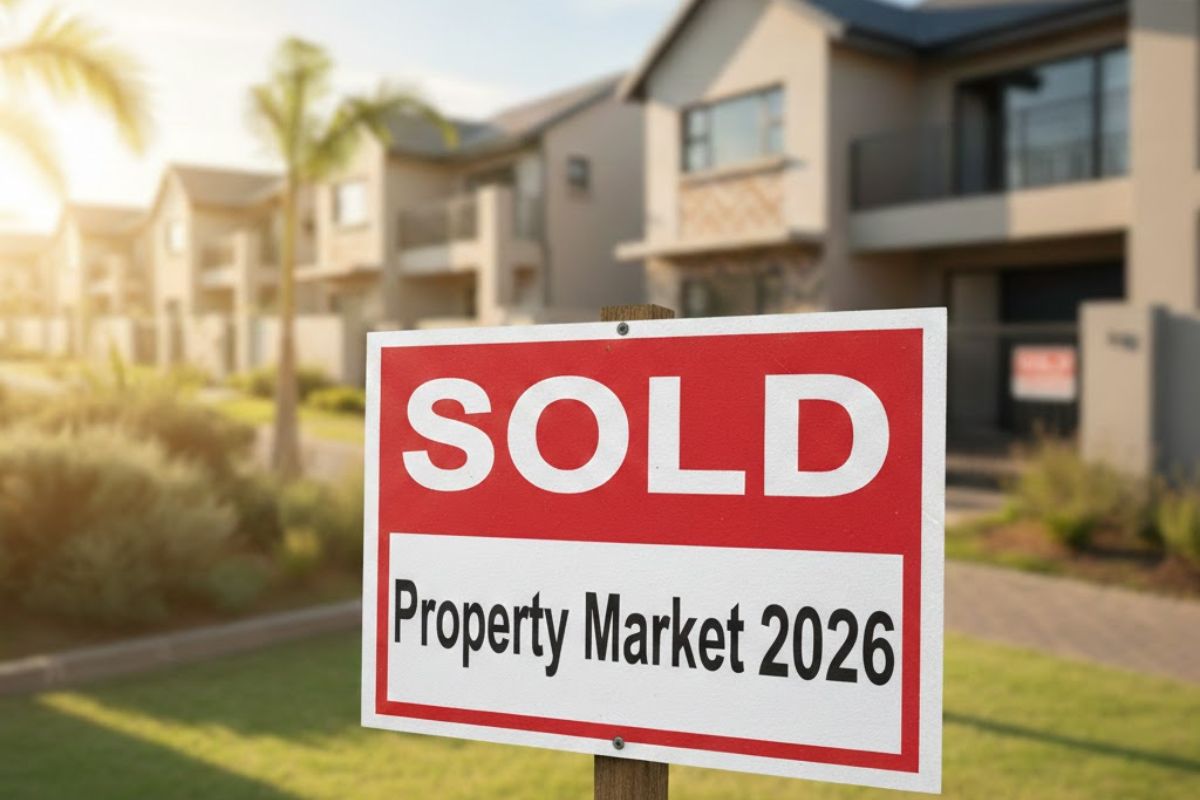
South African property market shows signs of recovery
The South African property market is showing signs of recovery in 2026, with falling interest rates improving affordability for all buyers.

A major shift in market sentiment is currently underway, driven by a more favourable economic outlook and stabilising inflation. Many prospective homeowners who were previously hesitant are now returning to the market, spurred by the prospect of long-term capital growth and better value for money.
This recovery is particularly evident in the increased volume of home loan applications and a general uptick in show-house attendance across the country. While we aren’t in a “boom” period just yet, the current environment is characterised by a healthy level of activity that suggests the worst of the stagnation is behind us.
Interest rates bring relief to buyers
One of the most significant factors influencing the current market is the downward trend in interest rates, which has greatly improved affordability for many families. According to property trends, this relief is helping to unlock demand in the middle-market segment where buyers are most sensitive to monthly repayment costs.
The prime interest rate now stands at 10.25%, following a welcome decrease from its previous level of 10.50% last year. This gradual decline from the 2023 peak of 11.75% has significantly lowered the barrier to entry for many South Africans.
- The lower prime lending rate is making it easier for first-time buyers to qualify for bonds without needing massive deposits.
- Financial institutions are showing an increased appetite for lending, which is a positive sign for the overall health of the residential sector.
- Experts suggest that the current rate cycle is providing a stable platform for property values to grow in real terms for the first time in years.
Western Cape remains a top pick
When examining the long-term data and house price history, the Western Cape continues to outperform other provinces by a considerable margin. The region remains a magnet for semigration, with families moving to the coast in search of better-managed municipalities and a lifestyle-oriented environment.
This sustained demand has kept property prices in Cape Town and its surrounding areas resilient, even during broader economic downturns. However, this has also created a significant price gap between the Western Cape and the rest of the country, leading some investors to look for better yield opportunities in other growing metros.
Emerging trends in the South African house market
As the market evolves, we are seeing several new priorities emerge that are changing the way people choose their homes. According to the latest data on property prices, there is a marked increase in demand for homes that offer built-in security features and energy-efficient solutions.
- Sectional Title Popularity: Many buyers are opting for townhouses and apartments to reduce maintenance costs and enjoy communal security.
- Energy Independence: Homes with solar power and battery backups are now selling much faster than traditional grid-reliant properties.
- First-time buyers: Favorable lending conditions are encouraging a younger demographic to enter the market earlier than previously expected.