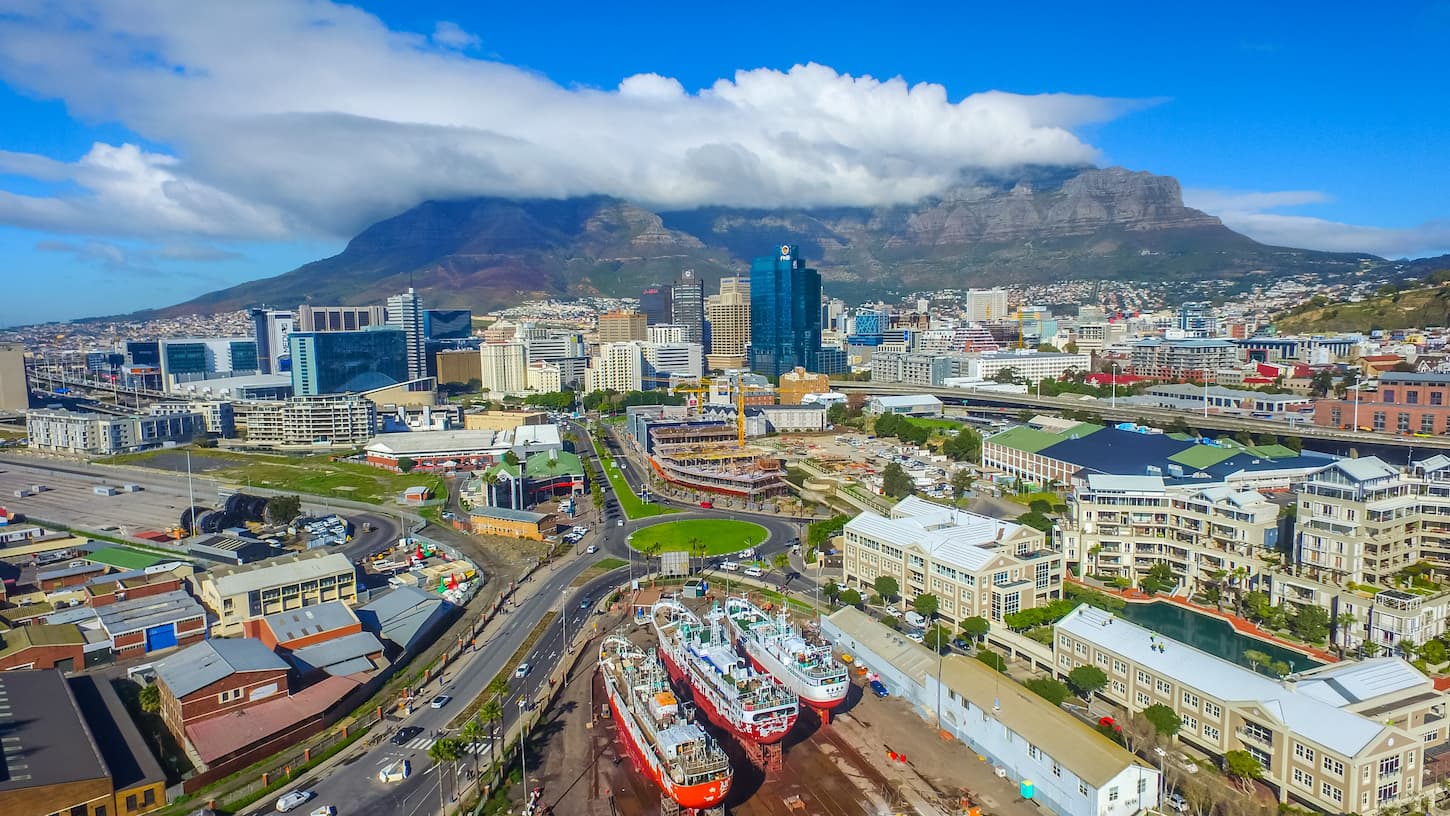
The Cape Town anomaly: Why the Mother City’s immigrants are out-spending everyone
This high-spending comes with a literal stop-start cost. As immigrants flock to Cape Town, the infrastructure is buckling.

While the rest of South Africa tightens its belt, a recently released report from Statistics South Africa (Stats SA) has uncovered a strange style paradox in Cape Town.
The Stats SA report – Migration Statistics from the 2022/2023 Income and Expenditure Survey, 2023 – reveals that while immigrants typically spend the least nationally, they have become the ultimate big spenders in the City of Cape Town.
The data, released by Statistician-General Risenga Maluleke on Wednesday, 25 February 2026, shows that the national average household expenditure sits at R138,905. Nationally, internal migrants (those moving between provinces) are the top consumers, spending R169,760 annually, while immigrants average just R127,963.
However, Cape Town has completely flipped this rule. In this metropolitan municipality, immigrant-headed households record a staggering average consumption expenditure of R259,000. This figure is significantly higher than both the internal migrants and the South African-born men and women living in the same area.
Cape Town immigrants vs South Africa: The spending showdown
This Cape Town anomaly is even more striking when compared to other provinces. For instance, immigrant households in Limpopo and the North West report the lowest consumption at R61,442 and R56,980 respectively.
Why is Cape Town different? Stats SA data suggests the Western Cape is currently a “playground” for those with the right credentials. The province boasts the lowest unemployment rate in South Africa at 20.7%.
| Migratory Group | National Avg Expenditure | City of Cape Town Avg Expenditure |
|---|---|---|
| National Average | R138 905 | R218 248 (Provincial) |
| Internal Migrants | R169 760 | R219 000 |
| Immigrants | R127 963 | R259 000 |
| Non-Migrants | R128 996 | R193 000 |
Sources: Stats SA IES 2022/2023
The ‘Traffic Tax’ on wealth
However, this high-spending lifestyle comes with a literal stop-start cost. As wealthy residents and immigrants flock to the city, the infrastructure is buckling. Cape Town is now ranked in the top 10 of the world’s most congested cities, rivalling Manila and Mumbai.
According to the INRIX 2024 Global Traffic Scorecard, Cape Town drivers lost an average of 94 hours in 2024 sitting in gridlock. For returning South African expats, the shock isn’t just the high prices; it’s the four full days of their lives lost to traffic.
“The traffic situation has become genuinely alarming,” says SA People’s James Durrant, reporting on the Mother City’s congestion. With the city squeezed between the mountain and the ocean, there is only so much road to go around for the new economic elite.