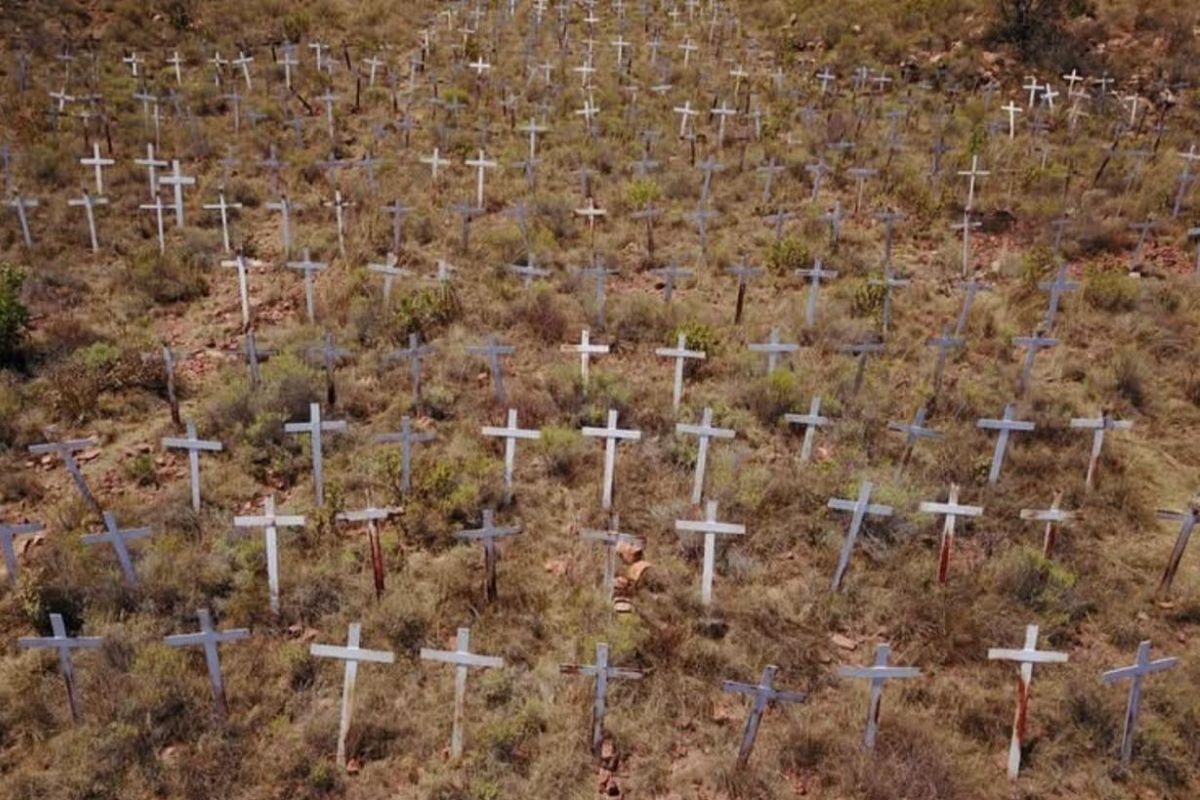
Deadly attacks on farms renew focus on rural safety crisis
Farm murders in South Africa remain a deeply contested and emotional issue.

Farm murders continue to spark national debate as incidents in provinces such as the Gauteng, Mpumalanga and Eastern Cape make headlines. These attacks, which occur on agricultural properties, often involve robbery but frequently escalate into extreme violence. Victims include farmers, farmworkers and their families, underscoring that rural crime affects multiple communities.
The South African Police Service (SAPS) classifies farm attacks as crimes committed on farms and smallholdings, including murder, attempted murder, assault, rape and robbery. Farm murders form a small proportion of South Africa’s overall homicide rate, yet the nature of the crimes, often carried out in isolated areas, amplifies their psychological and political impact. Advocacy groups argue that rural communities remain particularly vulnerable due to long response times and limited visible policing.
Agricultural bodies say that while rural safety strategies exist on paper, implementation varies widely between districts. Community patrols, private security contracts and farm watch groups have become common defensive measures in high risk areas.
Isolation increases vulnerability
Many farms are situated kilometres from the nearest town or police station. This geographic isolation can delay emergency assistance and makes properties soft targets for organised criminal groups. Survivors frequently report that attackers study routines before striking.
Impact on food security and livelihoods
South Africa’s agricultural sector contributes significantly to employment and exports. Repeated violent incidents may discourage investment, disrupt operations and place additional financial strain on already pressured farming businesses.
Demands for coordinated response
Stakeholders continue to call for enhanced intelligence gathering, better resource allocation and improved collaboration between SAPS and rural communities. Government officials maintain that rural crime must be addressed within broader national crime strategies, while farming organisations argue for more targeted interventions.
As discussions continue, families living and working on farms say their immediate concern remains personal safety in environments where help can be far away. While people like Elon Musk highlights farm murders after ‘white genocide’. Can the nation continue to ignore what is happening right under our nose?