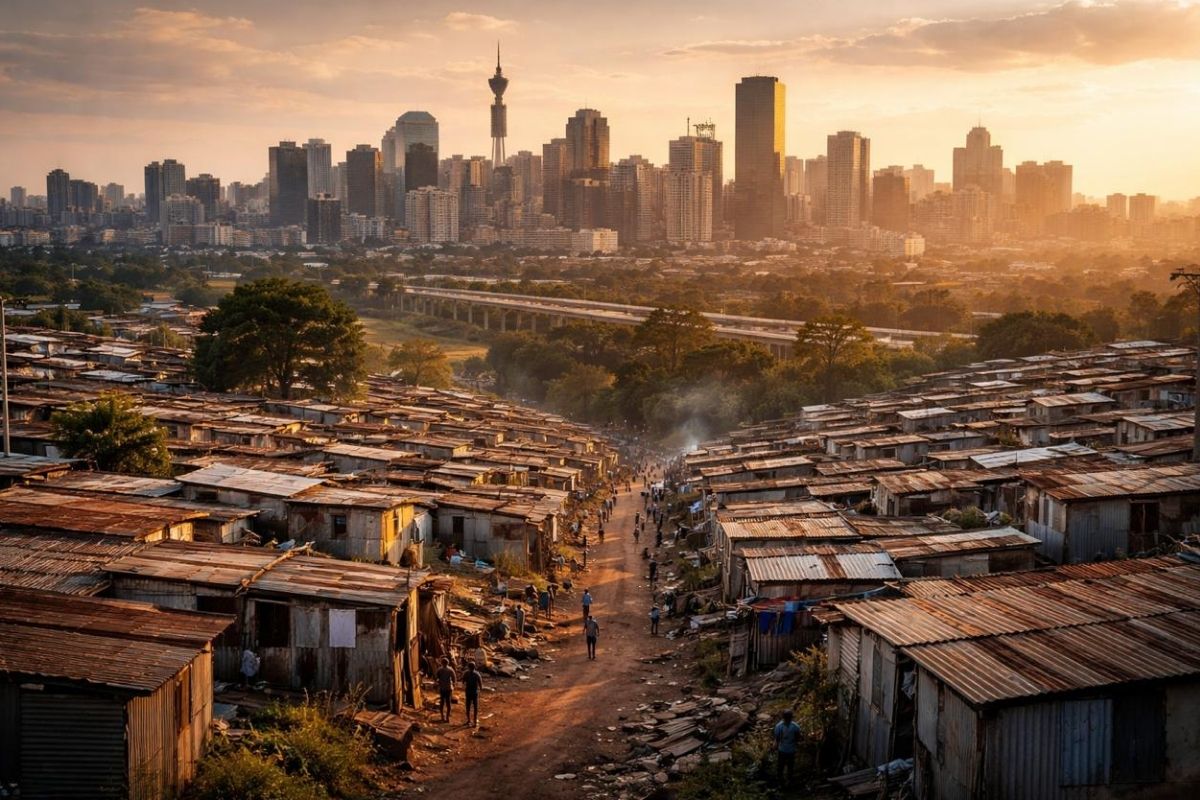
Why South Africa still battles the legacy of apartheid
More than 30 years into democracy, apartheid’s legacy still shapes South Africa’s social and economic reality.

When the country held its first democratic election in 1994 under Nelson Mandela, it marked a historic turning point. The apartheid system, introduced in 1948 by the National Party, shaped nearly every aspect of life. Where people lived, the quality of education they received and the jobs they could access were determined by race. Although those laws were repealed, their long term effects remain embedded in the country’s economic and spatial landscape.
South Africa is now considered one of the most unequal societies globally. According to Business Day, income inequality remains persistently high. Wealth is still concentrated among a minority, while unemployment disproportionately affects black South Africans. The promise of economic transformation has not materialised evenly, leading to frustration among many citizens, particularly young people.
Land ownership and urban planning patterns continue to mirror apartheid era policies. Townships remain far from economic centres, limiting access to employment and essential services. Although reforms have been introduced, meaningful structural change has been slow and politically contested.
Economic inequality and land reform
Land redistribution remains one of the most sensitive issues in the country. Many families were forcibly removed during apartheid. Efforts to address this through restitution and reform have faced legal, financial and administrative obstacles, slowing progress and deepening political tensions. Broader inequality trends are highlighted in analysis by the World Bank.
Education and opportunity gaps
Education was deliberately unequal under apartheid, and the consequences are still visible today. Schools in historically disadvantaged areas often struggle with limited resources. While access to higher education has expanded, affordability remains a significant barrier for many students. Some provinces doing better than others, employing the youth for a brighter future.
The unfinished work of reconciliation
The Truth and Reconciliation Commission sought to promote healing, yet economic justice was not fully resolved. For many South Africans, including myself as someone who witnesses these disparities daily, the legacy of apartheid is not theoretical. It is visible in communities, workplaces and opportunities. Real progress will require sustained reform, accountability and inclusive economic growth.