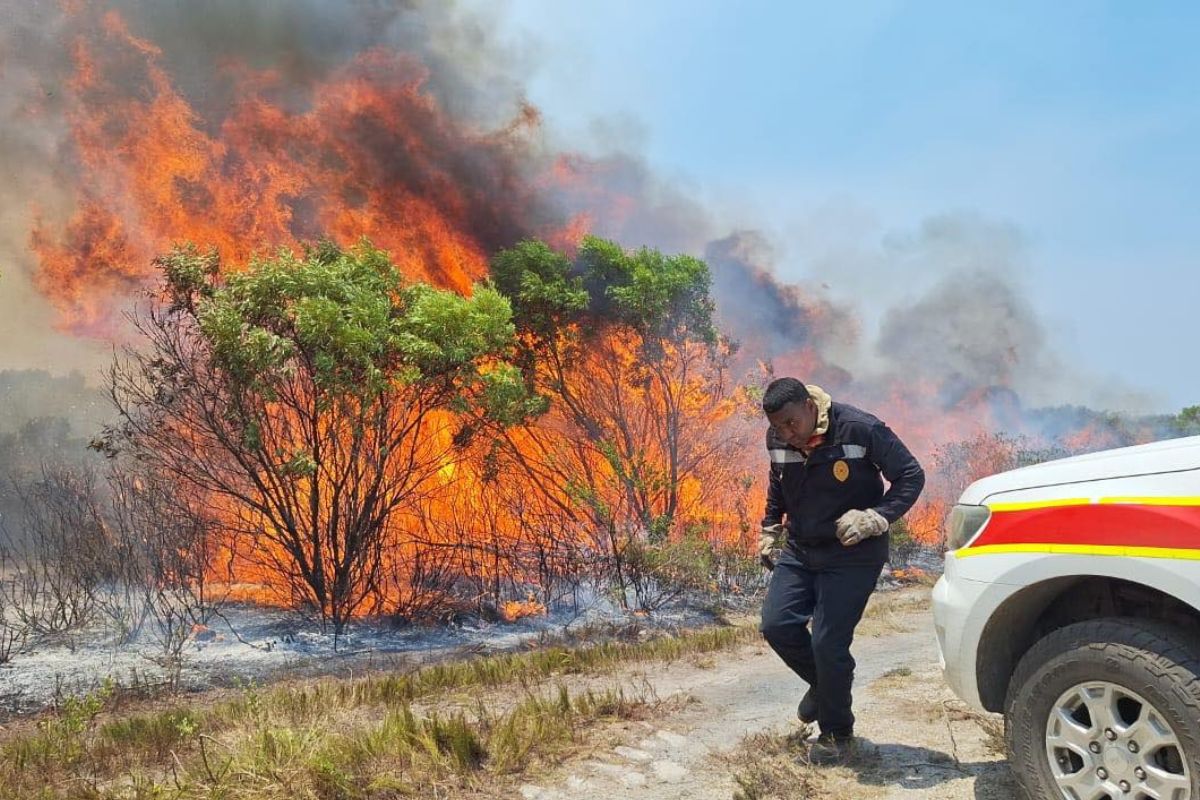
Western Cape fires: Why wildfire season is becoming more intense
Wildfires across the Western Cape have once again raised concerns about climate conditions, preparedness and the growing strain on emergency services.Wildfire seasons are becoming more intense.

The recent Western Cape fires have forced evacuations, damaged property and placed renewed focus on how vulnerable the province has become during peak fire season. With fires getting out of control, it has devastating effects on residences and wildlife.
The Western Cape experiences wildfires almost every summer, but officials say the intensity and frequency of recent fires are increasingly difficult to manage. Dry conditions, strong winds and rising temperatures continue to create ideal conditions for fast-spreading blazes.
Residents in fire-prone areas are urged to remain alert, particularly when warnings are issued during periods of high fire danger. This will allow people to be prepared in case of evacuation.
Western Cape fires put pressure on emergency services
Firefighters and disaster management teams have worked around the clock to contain several outbreaks, particularly near residential areas and nature reserves. According to the City of Cape Town, resources are often stretched when multiple fires burn simultaneously.
A report previously published by SA People highlighted how wildfires have doubled not just in South Africa, but worldwide.
Weather and climate play a growing role
Environmental experts say prolonged droughts followed by sudden heatwaves significantly increase wildfire risk. The combination of dry vegetation and strong coastal winds allows fires to spread rapidly across large areas.
The City of Cape Town Fire Services has repeatedly warned that human activity remains a major cause of fires, urging residents to avoid open flames during high-risk periods.
What residents can do
Authorities stress that early reporting, preparedness and community awareness remain key to reducing damage during wildfire season in the Western Cape.