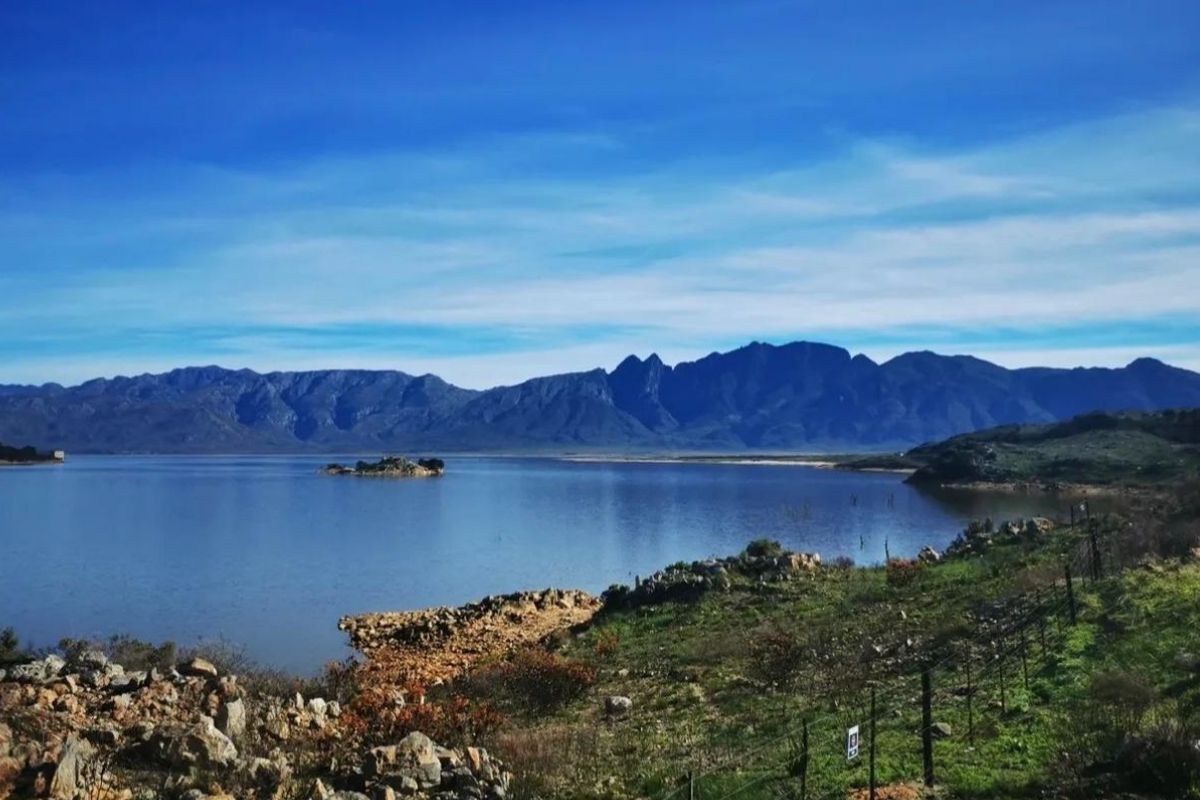
When the dams couldn’t hold: Cape Town’s water wake-up call
A dam disaster is never only about water levels. In Cape Town, overflowing dams became a warning about climate extremes.

Cape Town’s water story has swung between scarcity and surplus. After years of drought that reshaped daily habits, periods of intense rainfall pushed several dams close to capacity in a short time. Rapid inflows increased pressure on dam walls and forced authorities to implement controlled water releases to protect structural safety. These releases, while necessary, led to flooding along river systems and affected communities downstream.
The consequences were felt most strongly in low-lying areas. Homes were damaged, roads washed away, and basic services disrupted. The City of Cape Town’s Disaster Risk Management centre, coordinated evacuations and emergency responses, but the event highlighted how quickly extreme weather can overwhelm urban systems when rainfall exceeds historical norms.
The disaster also shifted the public conversation around water management. Dams are no longer only symbols of security after drought; they have become potential risk points during heavy rainfall. With climate variability increasing, Cape Town must now plan for both water shortages and sudden excess at the same time.
Infrastructure Under Pressure
Much of the Western Cape’s water infrastructure was designed decades ago, based on rainfall patterns that are no longer reliable. As dam levels rise rapidly, engineers are often left with limited options beyond releasing water to prevent structural damage.
Communities on the Front Line
Communities living near rivers and dam catchments face the greatest risk during flooding events. Informal settlements and older suburbs are particularly vulnerable due to their location and limited drainage systems. Humanitarian organisations such as Gift of the Givers, provided relief to affected families, underlining how disasters quickly become humanitarian crises when homes and livelihoods are lost.
Lessons for the Future
The dam disaster reinforced the need for better urban planning, improved early warning systems, and climate-resilient infrastructure. On a personal level, it was a reminder that water security is fragile, and that living in Cape Town means learning to respect both the absence and the force of water.