South Africans support military presence, but want lasting answers to crime
While many citizens welcome the army’s presence on the streets, there is growing pressure for deeper solutions.

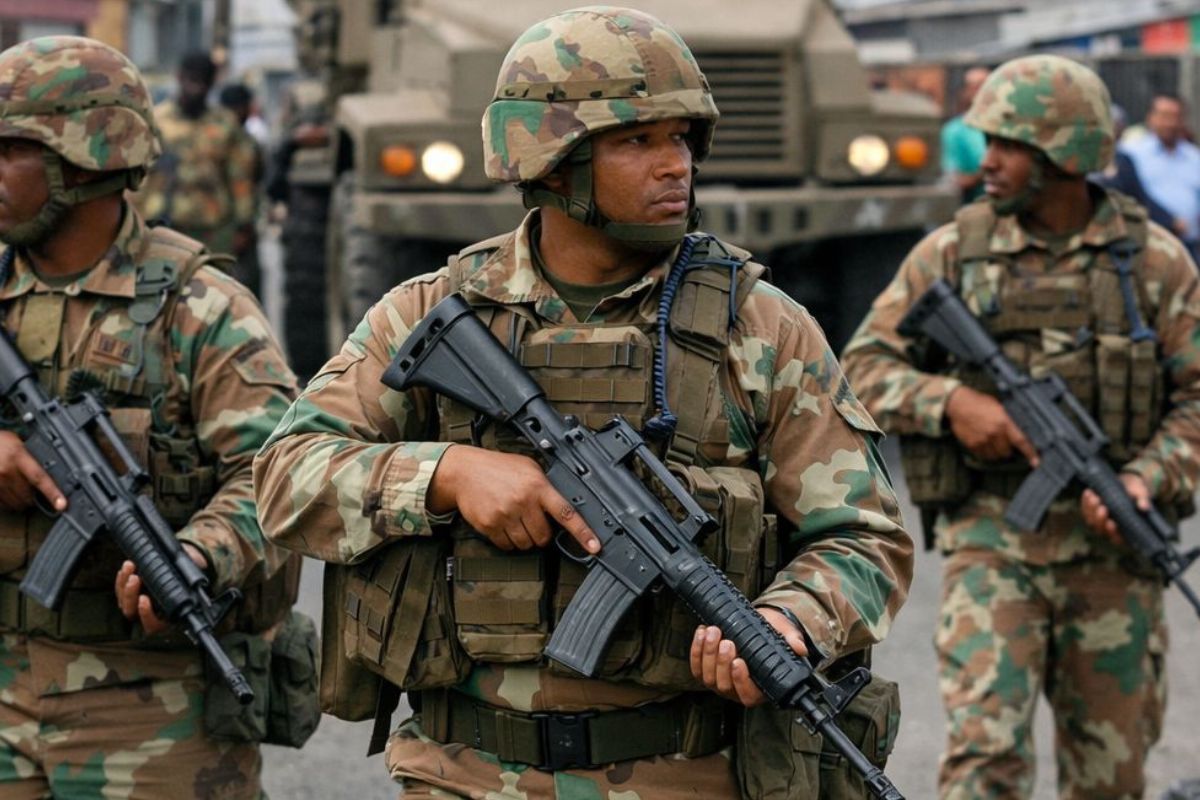
South Africa’s crime crisis continues to dominate public debate, with communities increasingly calling for urgent intervention. In recent months, there has been visible support for the deployment of the South African National Defence Force to assist the police in high-crime areas. For many residents, the sight of soldiers patrolling neighbourhoods brings a sense of immediate reassurance in places long gripped by violence and lawlessness.
However, while the presence of the army may offer temporary relief, questions remain about sustainability. Crime statistics released by Statistics South Africa show that violent offences, including murder and armed robbery, remain deeply concerning. Communities affected by gang violence and organised crime argue that enforcement alone cannot fix systemic problems rooted in unemployment, poverty and weak criminal justice processes.
The debate has also reignited discussions about police capacity and accountability. According to the South African Police Service crime statistics, many provinces continue to struggle with resource constraints and case backlogs. Public trust in institutions remains fragile, with residents demanding both visible policing and meaningful reform.
Temporary relief versus long-term reform
Military deployment is constitutionally permitted under certain conditions, particularly when the police require support. Yet experts warn that soldiers are not trained for everyday policing duties. Their role is limited, and the responsibility for investigations, arrests and community engagement remains with SAPS.
Addressing root causes of crime
Lasting solutions require investment in youth development, job creation and improved prosecution systems. This will all help the root problem of crime that is faced everyday.
Rebuilding public confidence
Ultimately, South Africans are not rejecting the army’s assistance, they are asking for more. They want efficient courts, better detective work and visible accountability. While short-term deployments may stabilise volatile areas, real change will depend on whether government institutions can deliver consistent, credible crime prevention strategies that restore faith in the system.