‘I assumed he was black’: Afrikaner ‘refugee’ detained for months in United States ICE facility
Benjamin Schoonwinkel shares a dormitory with dozens of immigrants, mostly Spanish speakers, and earns R33 a day for cleaning duties.

Benjamin Schoonwinkel, a 59-year-old white Afrikaner who travelled to the United States following President Donald Trump’s public invitation to his community, has spent nearly 100 days in federal detention.
Despite expecting a warm welcome and “a little bit of red tape”, the South African expat was handcuffed by border agents at an Atlanta airport in September after declaring his intent to seek asylum, according to a report.
Schoonwinkel’s journey was prompted by an executive order signed in February 2025, in which Trump designated Afrikaners as the only group eligible for “refugee” status after halting admissions for most other nationalities.
The US president has repeatedly falsely claimed white Afrikaners are victims of “government-sponsored race-based discrimination” and “genocide”, assertions that the South African government and local police statistics dispute.
How Afrikaner ‘refugee’ landed in trouble in the United States
Encouraged by his friend Rick Taylor, an Arkansas resident who believed Schoonwinkel had the means to “get a good start” in America, Schoonwinkel boarded a flight from Johannesburg to Atlanta. However, instead of applying through the official refugee programme – which saw 59 Afrikaners arrive on a government-chartered flight in May – Schoonwinkel travelled on a tourist visa.
Upon arrival, he requested asylum, citing a 2014 farm attack in which he was allegedly beaten at knifepoint and his property looted.
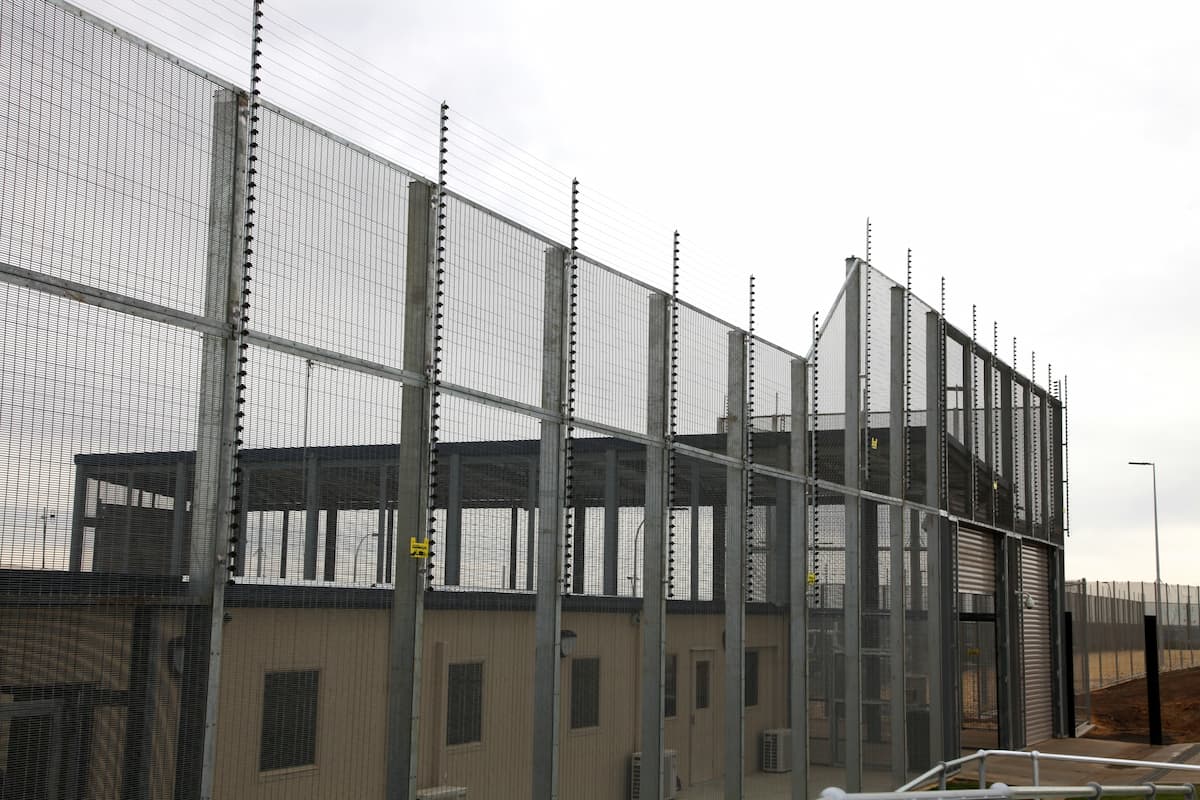
Under strict administration protocols, individuals claiming asylum at ports of entry are subject to mandatory detention while their claims are investigated. Consequently, Schoonwinkel’s tourist visa was rescinded, and he was transferred to the Stewart Detention Center in rural Georgia.
He now shares a dormitory with dozens of immigrants, mostly Spanish speakers from Latin America, wears a blue uniform, and earns $2 (R33 at 29 December 2025 rates) a day for cleaning duties. His presence has reportedly bewildered fellow detainees, who frequently ask him, “What are you doing here?”
The case has equally stunned his legal representative, Marty Rosenbluth, a human rights activist who took the case after reviewing intake files.
“I assumed he was Black,” Rosenbluth admitted in an interview. “Why else would he be in ICE [Immigration and Customs Enforcement] custody? It never crossed my mind he could be Afrikaner.”
Rosenbluth contends that Schoonwinkel’s due process rights have been violated and that he should have been released to file his application with the United States’ Citizenship and Immigration Services rather than being thrown into a “hellhole”.
While other Afrikaners, such as Errol Langton in Alabama, have successfully resettled but now face financial strain, Schoonwinkel remains in limbo.
Homeland Security spokesperson Tricia McLaughlin previously said that claims found valid would be granted relief, while invalid ones result in swift removal. A hearing to decide Schoonwinkel’s merits is scheduled for January 2026.