Tough Monday for Elon Musk as South Africa’s neighbour rejects Starlink
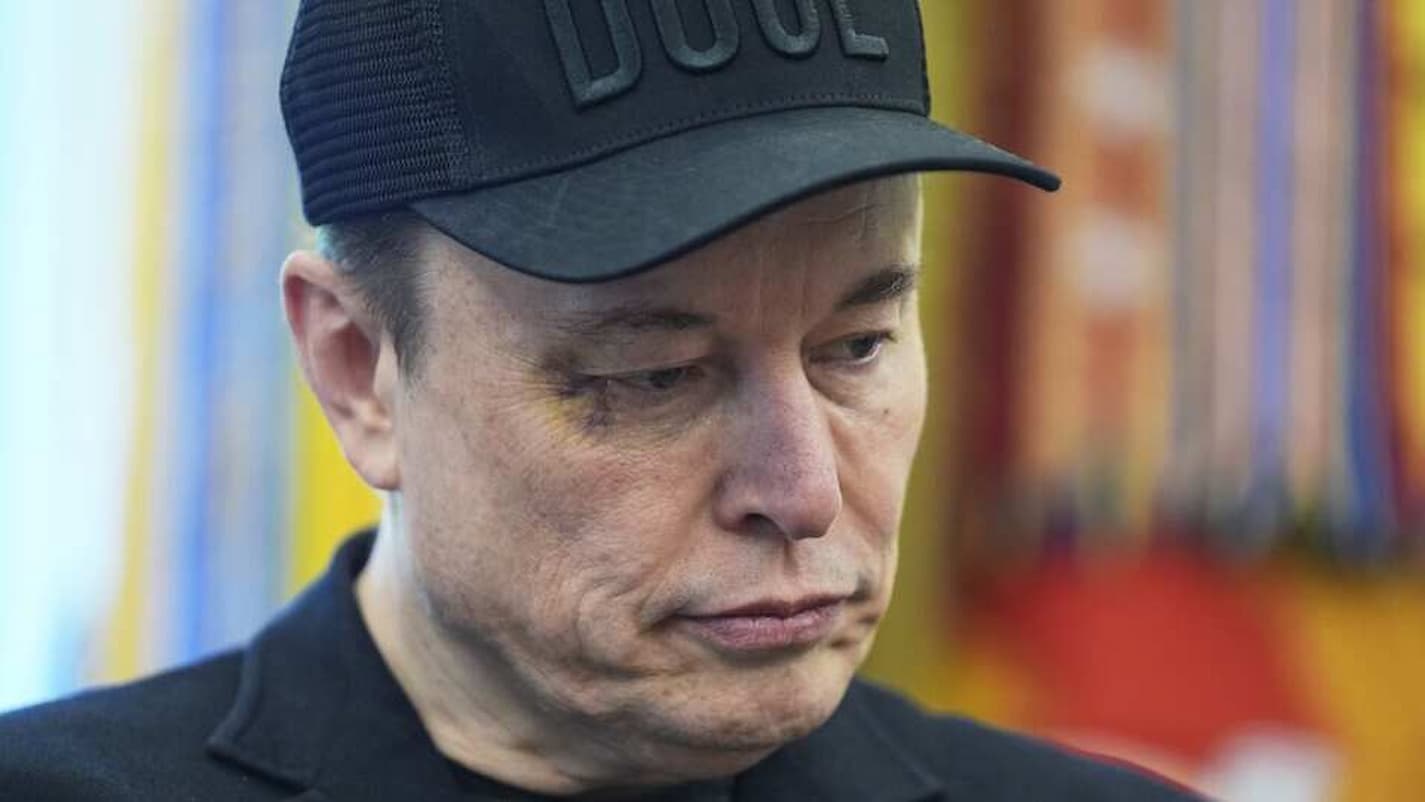
South African expat Elon Musk suffered a tough Monday after an adverse US court ruling and a fresh Starlink rejection.

The South Africa-born Elon Musk, 54, endured a remarkably tough Monday this week after facing a massive legal defeat in the United States and a regulatory rejection of his Starlink satellite internet service in a neighbouring southern African country.
According to a report, a California federal jury found that the tech billionaire actively misled Twitter (now X) shareholders in 2022, while the Communications Regulatory Authority of Namibia (CRAN) officially denied Starlink’s operational licence request. This marks a significant double setback for the world’s richest person.
Why did a jury rule against Elon Musk?
Following a three-week trial in San Francisco, jurors concluded that two tweets posted by Musk in May 2022 contained false statements. These posts subsequently caused a plunge in Twitter’s share price right as he was poised to purchase the platform in a $44 billion (about R836 billion) deal.
An attorney for the plaintiffs estimated the damages could reach an astonishing $2.6 billion. Lawyers representing the tycoon immediately confirmed that their client plans to appeal the verdict, characterising the outcome as a mere setback. This judgment marks a rare legal defeat for Musk, who is often dubbed “Teflon Elon” for his uncanny ability to emerge unscathed from high-profile lawsuits.
Which neighbouring nation rejected Elon Musk?
Adding to his woes, Namibia formally rejected an application submitted by Starlink Internet Services Namibia (Pty) Limited. While CRAN did not provide a full explanation immediately, its statement explicitly noted that the local subsidiary lacked any local ownership.
This mirrors the ongoing regulatory deadlock Starlink faces in South Africa, where foreign-owned telecommunications licensees are required to sell 30% of their equity to historically disadvantaged groups. Musk has previously labelled such black economic empowerment policies as “openly racist” and refused to cede local ownership.
Where does Starlink currently operate in Africa?
Despite the hurdles in South Africa and Namibia, Starlink’s low-earth orbit satellite network has rapidly expanded across the continent since its initial launch in Nigeria in January 2023. There are currently 22 African nations where the high-speed internet service is officially licensed to operate.
Below is a list of African countries where Starlink operates, including their monthly subscription costs in local currency:
| Country | Monthly subscription (Local Currency) |
|---|---|
| Nigeria | NGN 57,000 |
| Rwanda | RWF 40,000 |
| Mozambique | MZN 3,000 |
| Kenya | KSh 6,500 |
| Malawi | MK 94,000 |
| Zambia | ZMW 1,160 |
| Benin | F CFA 32,000 |
| Eswatini | ZAR 950 |
| Sierra Leone | SLE 1,020 |
| Madagascar | MGA 226,000 |
| South Sudan | US$50 |
| Botswana | BWP 688 |
| Ghana | GHS 770 |
| Zimbabwe | $50 |
| Burundi | BIF 143,000 |
| Liberia | US$50 |
| Niger | F CFA 32,000 |
| Somalia | US$70 |
| Guinea-Bissau | F CFA 36,000 |
| DR Congo | CDF 144,000 |
| Lesotho | ZAR 950 |
| Chad | FCFA 32,000 |