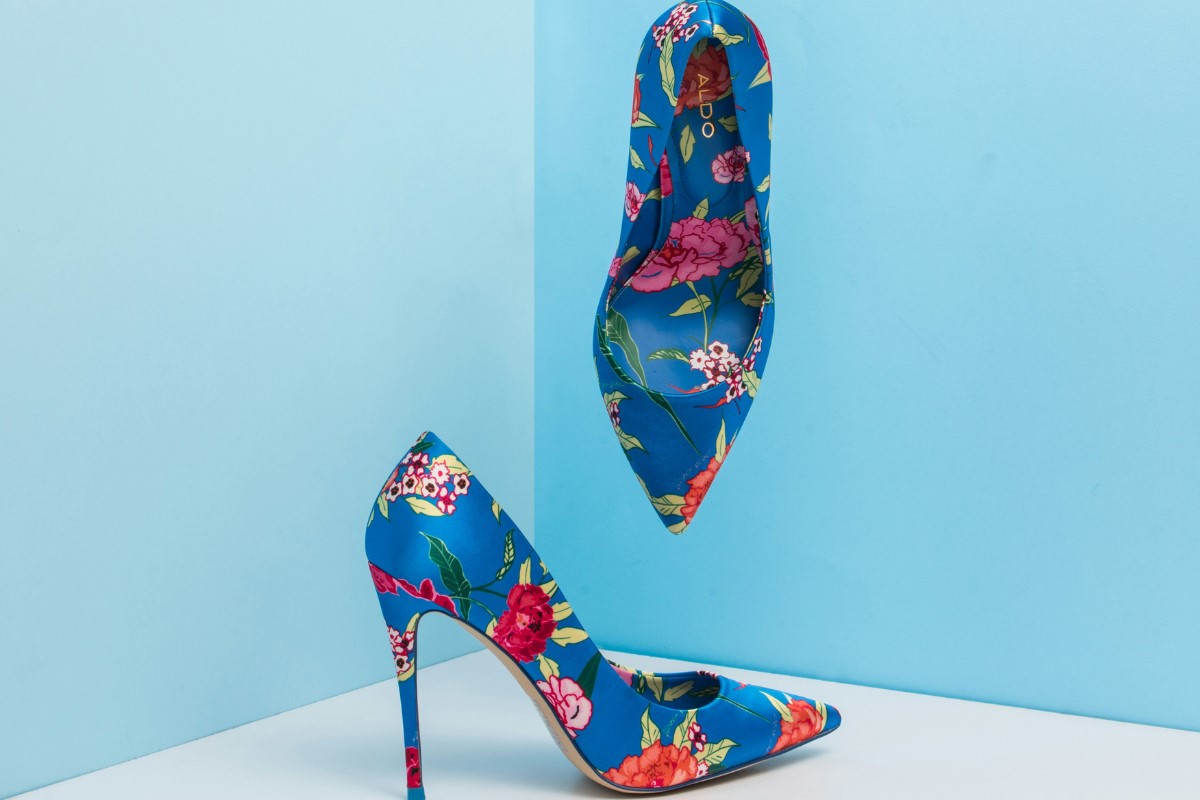
Does the shoe fit? Why it really matters
From office heels to trail takkies, making sure that the shoe fits is about more than fashion. Discover why…

Usually delivered with a raised eyebrow and a hint of sarcasm, the phrase “If the shoe fits” should be taken quite literally when it comes to choosing the right shoes.
Fashion trends come and go, but joint health stays with you. If the shoe fits your lifestyle, your biomechanics, and your comfort needs, wear it proudly. If it does not, let it stay on the shelf.
Wearing shoes fit for purpose is not a style preference but a health decision. Proper footwear offers essential healthy feet support, influencing everything from posture to knee alignment.
According to the American Podiatric Medical Association, well-fitting shoes reduce the risk of foot pain, bunions, corns, and plantar fasciitis. The NHS also advises that poorly fitted footwear can contribute to long-term musculoskeletal problems. In short, squeezing into those sale rack stilettos may cost more than the price tag suggests.
DOES THE SHOE FIT THE PURPOSE?
Different activities demand different features; therefore, the shoe should fit the purpose. Running shoes, for example, provide shock absorption and forward motion support, while hiking boots offer ankle stability and grip.
Office shoes should balance comfort with structure for prolonged standing or walking.
A 2018 review published in the Journal of Foot and Ankle Research found that inappropriate footwear is strongly associated with foot pain in adults. Wearing high heels regularly shifts body weight forward, increasing pressure on the forefoot and altering posture. Flat, unsupportive shoes can also cause strain by failing to cushion impact.
CHOOSING THE RIGHT FITTING SHOES FOR HEALTHY FEET SUPPORT
Your footwear should match your foot shape and daily activity. Shoes that are too tight restrict circulation and increase friction, while shoes that are too loose cause instability and blisters. Experts even recommend measuring both feet, as many adults have slight size differences.
There should be about a thumb’s width between the longest toe and the front of the shoe.
Arch support plays a vital role in maintaining alignment. The American Academy of Orthopaedic Surgeons notes that proper support helps distribute body weight evenly and reduces strain on your ankles, knees, and lower back. Cushioned soles absorb shock during walking and running, while firm heel counters improve stability.
THE LONG GAME: PROTECTING MOBILITY WITH A SHOE THAT FITS
Our feet contain 26 bones, 33 joints, and over 100 muscles, tendons, and ligaments. They are not decorative afterthoughts but rather engineering marvels. Supporting them properly helps maintain balance, reduce injury risk, and promote long-term mobility.