A taste of home: The global footprint of South African cuisine
Discover how South African cuisine connects expats globally. From smoky braais to biltong, explore the bold flavours that define our local heritage.

The experience of living abroad varies for everyone, and while many people fully embrace their new lives without looking back, the kitchen remains a place where heritage is often celebrated.
Whether you are a nostalgic foodie or someone who has completely moved on, the bold and diverse flavours of South African cuisine hold a unique place in the international culinary scene.
It is a food identity shaped by a variety of cultures, offering a palate that is difficult to find elsewhere.
The social culture of the braai
Even for those who do not miss the lifestyle back home, the technical skill involved in a traditional braai is widely respected.
It is more than just a method of cooking; it is a social cornerstone that highlights a commitment to quality ingredients and specific techniques.
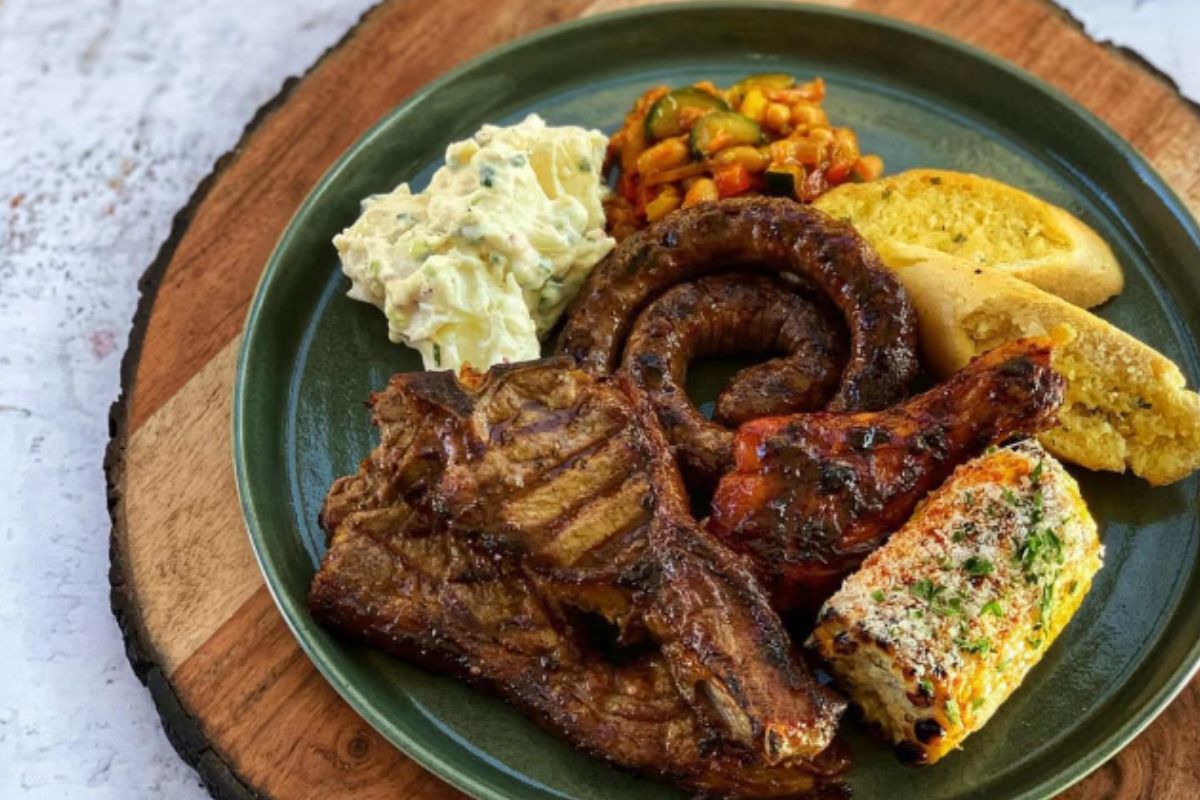
The smoky aroma of lamb chops or a well-spiced boerewors over real wood coals is a signature element of South African cuisine that stands out even in a high-choice global media and food environment.
Bold staples and global exports
Certain dishes like biltong and bobotie have become iconic representatives of our local palate on the world stage.
Biltong is often sought after for its specific coriander and vinegar depth, which distinguishes it from other types of dried meat. Similarly, bobotie reflects the rich Cape Malay influence that is essential to the identity of South African cuisine.
These flavours are not just about tradition; they represent a standard of excellence that many expats continue to appreciate regardless of where they live.
Iconic sweets and morning rituals
The variety of local desserts, from the syrupy crunch of a koeksister to the creamy texture of a milk tart, offers a unique experience for any palate.
Many find that standard international snacks cannot quite replicate the specific taste of a morning rusk dunked in coffee. Ultimately, South African cuisine serves as a point of pride and a way to share a rich cultural history with new friends and neighbours around the world.