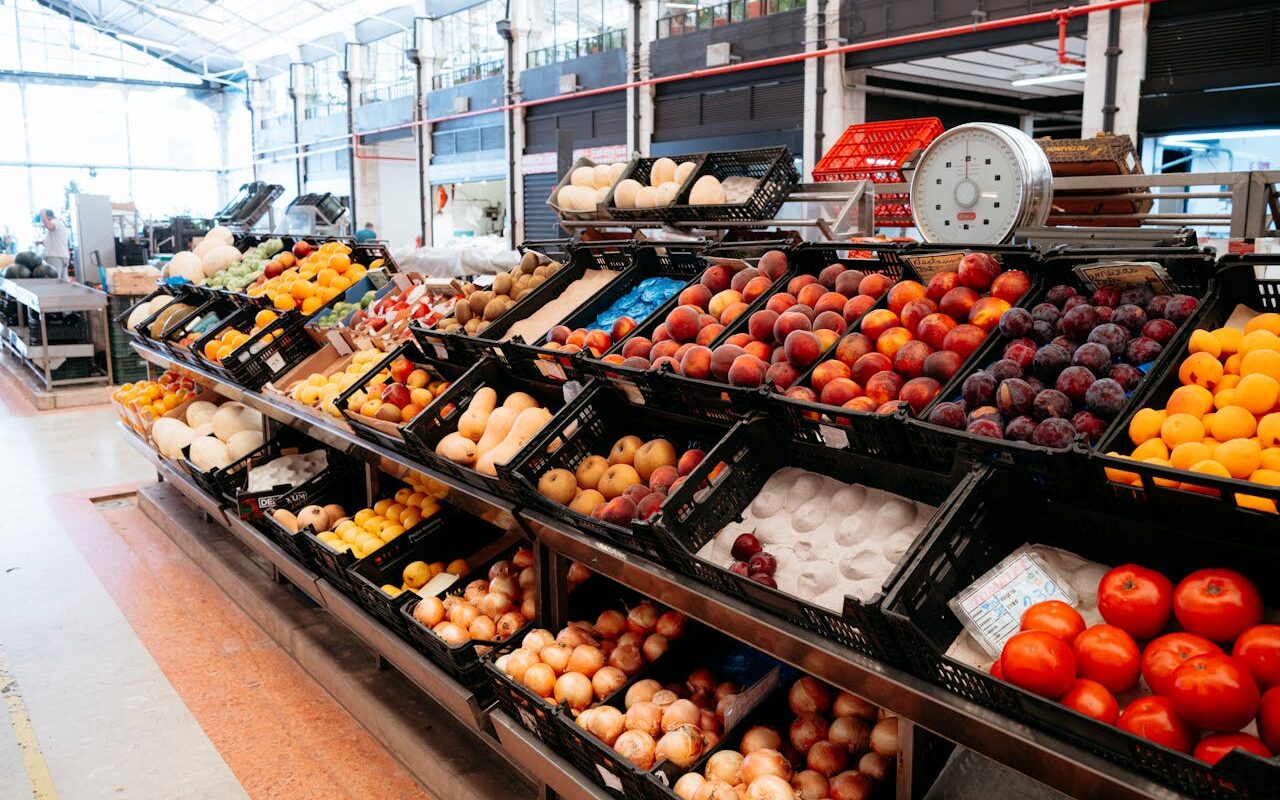
Vegan victory: Fresh produce prices drop drastically in South Africa
As meat prices continue to surge, South Africa’s vegans and health enthusiasts can celebrate dropping costs for fresh produce.

South Africa’s vegans and fitness enthusiasts have a genuine reason to celebrate, as the latest economic data reveals that fresh produce is officially getting cheaper across the country.
According to the February 2026 Consumer Price Index (CPI) published by Statistics South Africa (Stats SA), the cost of essential plant staples has dropped significantly over the past year. This provides massive relief for vegans and health-conscious consumers who are dodging the severe price hikes currently plaguing the meat aisle.
Dropping fresh produce prices good news for vegans
While the national headline inflation rate cooled to 3.0% in February, general food and non-alcoholic beverages still rose by 3.7% year-on-year. However, a closer look at the data reveals a massive win for plant-based diets.
If you are loading up your grocery basket with greens, you are paying noticeably less than you did a year ago. The Stats SA data shows that vegetables decreased by 2.7% annually, while fruits and nuts plummeted by a staggering 7.2%.
For fitness bunnies and vegans, this deflationary trend means that meal-prepping with fresh, whole foods is becoming increasingly budget-friendly.
How fruit and vegetables compare to meat
The financial benefits of a plant-based diet have never been clearer. While vegetarians and vegans enjoy cheaper checkout totals, carnivores are facing a punishing reality. The national inflation rate for meat surged to a painful 12.2% year-on-year in February 2026.
Here is a breakdown of the annual inflation rates for key food categories over the past year:
| Food Category | Annual % Change (Feb 2026 vs Feb 2025) |
|---|---|
| Fruits and nuts | -7.2% |
| Vegetables | -2.7% |
| Overall Food | 3.7% |
| Meat | 12.2% |
By sticking to the produce section, health-conscious South Africans are successfully sidestepping the worst of the country’s food inflation.