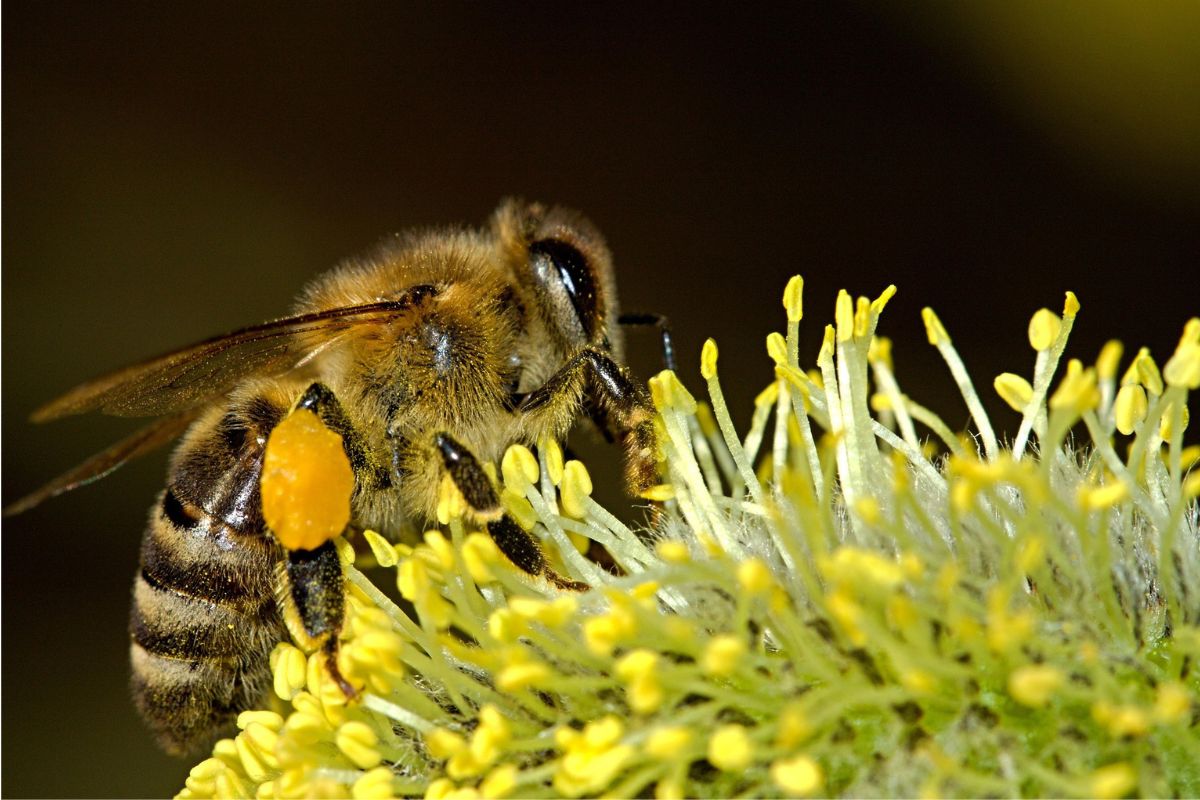
Get ready to meet the tiniest heroes that shape our future
Learn how the planet’s tiniest heroes matter for our future. Discover the important role of bees in nature’s balance.

The tiniest heroes on the planet have flimsy wings, but carry a massive responsibility.
Watching them drifting from bloom to bloom, who would guess the important role of bees in nature – and our survival? These tiny workers help shape landscapes, nourish families, and keep whole ecosystems alive. Every gentle landing on a flower supports the food chain that sustains both people and wildlife.
From forests, wild fynbos slopes to suburban gardens, the humble honey bee performs one of nature’s most vital tasks. It carries pollen between flowers, a simple act in itself, but one that sparks not only colour, but also growth and abundance.
Without bees, many fruits, vegetables, and seeds would vanish from our plates. In fact, our habitat might vanish, too.
TINY HEROES IN OUR DAILY LIVES
The importance of bees reaches far beyond honey jars. Bees pollinate crops; hence, farmers depend on them for healthy harvests. Markets depend on them for fresh produce. Families depend on them for balanced meals.
Scientists estimate that a large portion of global food production is linked to pollination by insects, especially bees.
When bee numbers drop, food prices can rise. Variety in diets can shrink. Even livestock will feel the impact, as fodder plants also rely on pollination.
But life is not easy for bees. These tiny heroes fly thousands of kilometres in a lifetime and build complex hives that function like tiny cities. Each one of them has its duties; no laziness is tolerated.
IMPORTANCE OF BEES FOR NATURE’S BALANCE
The importance of bees shows best in wild spaces. By pollinating native plants, bees help forests regenerate, and grasslands thrive.
Foresters often keep bees in forests for several smart ecological and practical reasons:
Bees transfer pollen between trees, shrubs, and wildflowers, supporting seed production and natural forest renewal.
Pollination increases genetic diversity in tree populations, and healthier forests are better able to resist pests, disease, and climate stress.
Beekeeping provides honey, wax, and other natural products; therefore, communities earn income without cutting trees or damaging habitats. Bees help turn forests into valuable living resources.
Regular visits to apiaries increase human presence in remote forests and enable early detection of fires, illegal logging, and invasive species.
In places such as the Cape Floral Region, rich biodiversity depends on these pollinators. When bees flourish, ecosystems stay resilient against climate shifts and habitat loss. When bees struggle, entire chains of life can weaken. Declining colonies may signal pollution, habitat loss, or pesticide exposure.
PROTECTING THE TINIEST, BUT REAL HEROES
Protecting bees begins with small choices: Plant indigenous flowers, avoid harmful pesticides, and leave patches of wild growth for nesting. Such simple steps create safe havens in cities and rural areas alike.
We can all cultivate respect for the smallest workers of nature as their labour shapes our future in a quiet, yet powerful way.